
Written by:
Founder & CEO of RockN' Socials
A digital marketing specialist with years of hands-on experience in SEO, website design, paid advertising, lead generation, CRM systems, and marketing automation.
Certified digital marketing professional.
Small Business Marketing Trends to Watch in 2026 Quick Guide
Published:
,
Last updated:
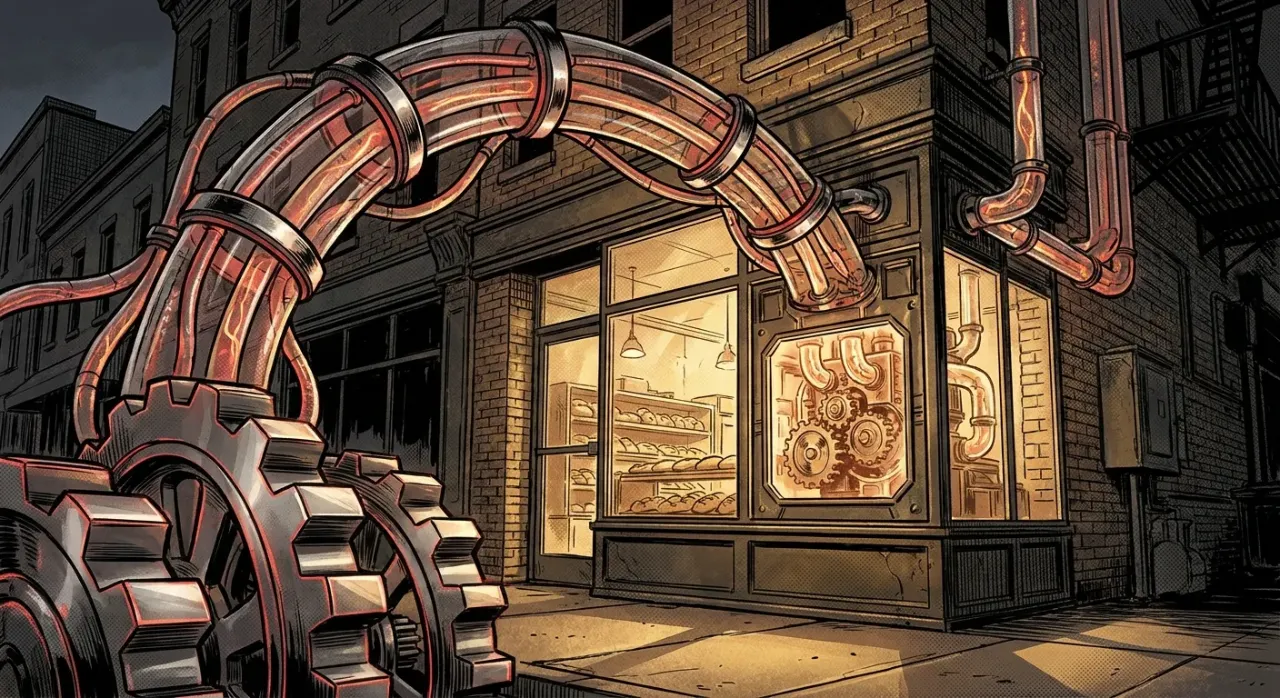
The biggest 2026 shift in small business marketing trends is simple: stop chasing isolated tactics and build an integrated, efficiency-first system. If one algorithm flip can knock your reach down, your plan leans too hard on rented attention. The opportunity this year is to connect the tools you already use so they share data, save time, and turn visitors into repeat buyers without endless ad spend. That means pairing AI with clear goals, treating email and on-site content as your home base, and using local search to meet buyers who are ready to act. In plain terms, we are moving from tactic chasing to building systems that compound. Think of a neighborhood bakery that runs a weekly email and a loyalty SMS list to promote weekend specials; those owned messages keep customers coming back even when social reach dips. If you feel stretched by too many apps, rising costs, and content that fizzles after a day, you are not alone. The path forward is not more noise. It is a practical setup you can run on a small budget and scale step by step. An integrated ecosystem blends email, content, local SEO, and light automation so your tools talk to each other. This approach cuts dependence on fickle feeds, lowers wasted spend, and turns random campaigns into a steady rhythm.
In this quick guide, we break down what matters and what to skip, then show how to build one workflow that links AI-powered segmentation, simple personalization, and evergreen content with local visibility. You will see where short-form video fits when it serves a clear job, why email should anchor your growth, and how to measure success by time saved and cost per repeat customer instead of likes. Expect practical moves you can make this quarter, like tightening your Google Business Profile Optimization and launching a basic welcome flow with the Email Marketing Service. If you are testing AI, connect it with AI Tools Integrations so your data and messages stay in sync. This quick guide to small business marketing trends keeps the focus on owned audiences, hyperlocal SEO, and repeatable workflows that reduce waste and build steady demand. You will learn how to pick one journey, link the right tools, and expand only after it works reliably. You will get simple prompts to plan short videos, ways to repurpose them on your site, and ideas to keep emails fresh without overthinking. To track progress, connect clean reporting with Analytics Tracking Attribution so budget and effort map to real outcomes. Ready to trade guesswork for a connected plan that compounds over time? Here is how to put it to work this quarter.
The big shift for small businesses in 2026: integrated, efficiency-first marketing (overview)
The biggest small business marketing trends are not just “use AI,” “post more video,” or “try a new social platform.” The real shift is moving from random tactics to a connected marketing system that saves time, builds trust, and keeps working even when platforms change.
In small business marketing 2026, the strongest brands will connect AI marketing tools, personalization, owned channels, local SEO, and simple automation. Paid ads can still help, but they should not be the whole plan. A better model is an ecosystem where each channel supports the next.
A simple system may include:
AI for faster drafts, segmentation, and follow-up ideas
Email, SMS, and website content as owned audience channels
Local SEO and hyperlocal marketing to capture nearby buyers
Social media marketing and short video to attract attention
Analytics to see what creates repeat customers
Case Study Scenario
Picture a small fitness studio that used to spend most of its budget on ads. In a hypothetical shift, it builds a weekly email, improves its Google Business Profile, posts short class tips, and uses automation for trial class follow-ups. The goal is not instant growth. The goal is a steadier engine where one lead can become a member, referral source, and repeat buyer.
That is the thread behind the small business marketing trends to watch in 2026: connect the work so each action compounds into the next.
Build an integrated marketing ecosystem (small business marketing 2026)
What an ecosystem looks like for an SMB
A small business marketing ecosystem does not need to be complex. It needs to be connected. A practical setup includes a CRM, email platform, website, local listings, social channels, and basic reporting.
The CRM stores contacts and notes. Email automations send welcome messages and follow-ups. The website answers buying questions. Local listings bring nearby traffic. Social media creates awareness and sends people back to owned channels.
For example, a home service company could use one CRM to capture quote requests, one email tool to send reminders, and its local listings to drive calls. Paid ads can boost traffic, but owned channels do the long-term work.
Practical steps to connect tools on a budget
Start small. A lean stack is easier to manage and cheaper to fix.
Choose one CRM.
Choose one email provider.
Connect website forms to the CRM.
Add one analytics setup.
Use free tiers before adding paid tools.
If tools do not talk to each other, AI Tools Integrations can help connect the basics without adding a bloated tech stack.
Quick wins that make tools work together
Send every contact form into a welcome flow. This keeps new leads warm.
Connect a booking calendar to reminders. This can reduce missed appointments.
Tag repeat buyers for special offers. This supports personalization.
Add website visitors from service pages to interest groups. This improves follow-up.
Send local listing traffic to clear service pages. This supports local SEO tactics for small businesses 2026.
Lessons Learned
The lesson is simple: tools only help when they share data. The best marketing strategies for small businesses use fewer tools, clearer workflows, and stronger follow-up.
Prioritize owned audiences over algorithm reach (owned audience, email marketing)
Why owned channels beat rented attention
Social platforms are useful, but reach can change overnight. Email, SMS, and website content give more control. They let a business reach people who already showed interest.
A neighborhood bakery could invite customers to join a weekly email and loyalty SMS list. The newsletter can share weekend specials, while SMS can promote limited batches. This lowers reliance on algorithm reach and supports repeat visits.
Owned audience building is one of the most important SMB marketing trends because it creates marketing independence.
Simple owned channels to set up this quarter
Set up these basics first:
A welcome flow for new subscribers
A monthly newsletter
A loyalty SMS or punch-card program
Simple lead capture at the POS, on the website, and at local events
A clear public review profile can also give prospects another place to evaluate the business before joining the list.
Tools and services to get started
Use Email Marketing Service to build the email foundation. Then connect signups from the site, local listings, and CRM so each lead enters the right follow-up path.
Use AI to automate personalization, not replace strategy (AI marketing tools)
Low-cost AI uses that save time
AI is best when it helps with repeat tasks. It should not replace the owner’s judgment.
Use AI for:
Subject line ideas
Headline testing
Short copy variations
Basic customer segments
FAQ drafts from real customer questions
A simple process is to draft with AI, edit for brand voice, and test one small change at a time.
How to pair AI with clear goals
Start with one goal. It could be more booked calls, more repeat purchases, or more newsletter clicks. Then use AI only for tasks tied to that goal.
Review results weekly or biweekly. If a test helps, keep it. If it adds noise, stop it.
Tools and integrations to use
Use AI Tools Integrations to connect AI with forms, email, CRM, and reporting. Appointment-based businesses can also use AI Chatbot Setup to answer basic questions and route leads.
Human review still matters. AI can speed up marketing efficiency, but people keep the message honest and useful.
Double down on hyperlocal SEO and Google Business Profile (local SEO, hyperlocal marketing)
Why hyperlocal matters in 2026
Local buyers often search when they are ready to act. They may look for a service “near me,” a neighborhood name, or a specific need in their city.
Evidence signal: Google says local visibility depends on relevance, distance, and prominence, and complete profiles can help nearby searchers find useful business details. See Improve your local ranking on Google.
Tactical local SEO steps (quick, affordable)
Start with Google Business Profile Optimization. Then build pages by ZIP code or neighborhood when it makes sense.
Focus on:
Consistent citations across key listings
Google reviews collected through a simple customer process
Local schema on service pages
Local content that answers real buyer questions
These steps help local SEO connect with email, site content, and customer engagement.
Advanced local moves (when you’re ready)
Use Local Answer Engine Optimization (AEO) when basic local SEO is working and the business wants to appear in more answer-style searches.
Measure calls, form fills, direction requests, and booked jobs. Advanced work should support the whole ecosystem, not just rankings.
Make short-form video reusable and utility-focused (video marketing trends for small businesses)
What to make: three high-value short-video types
Use short video to answer buyer questions, not just chase trends.
Make:
How-tos
Service highlights and behind-the-scenes
Customer stories and micro-testimonials
Evidence signal: Pew Research reports that by early 2026, roughly 37% of U.S. adults use TikTok, with strong use among younger adults. See Pew Research on TikTok usage trends.
How to repurpose videos for max value
Turn one video into many assets:
Post it on social.
Embed it on a service page.
Use the caption as an email tip.
Turn common questions into FAQ content.
This makes video part of content marketing, not a one-time post.
Production and distribution tips
Plan a one-day shoot with Short-form video production (filming). Then use TikTok Management or Social Media Management to publish with purpose.
Utility beats viral chasing because useful content can keep helping buyers after the trend is gone.
Treat email as your core growth infrastructure (email marketing tips for small business owners)
The role of email in an integrated system
Email is not just a campaign tool. It stores customer interest, purchase history, and service needs. That makes it the center of personalization.
A strong email setup turns traffic into an owned audience. It also helps social, SEO, and local listings produce more repeat value.
Essential email flows to build this quarter
Build these first:
Welcome series
Post-purchase follow-up and cross-sell
Re-engagement sequence
For a salon, the welcome email can explain services, the follow-up can suggest care tips, and the re-engagement email can remind inactive customers to book again.
Simple segmentation and lead magnet ideas
Segment by first-time buyer, repeat buyer, ZIP code, or service interest. Lead magnets can include a local guide, small discount, or appointment checklist.
Use Email Marketing Service to build flows that connect signups, content, and offers.
Measure marketing by efficiency and sustainability (marketing efficiency, ROI)
Key metrics to track (not likes)
Track metrics that show business value:
Time saved per campaign
Cost per repeat customer
Customer lifetime value
Owned channel conversion rate
Cost per repeat customer means total follow-up spend divided by repeat buyers. Customer lifetime value means the average value one customer brings over time.
How to set up measurement affordably
Use Analytics Tracking Attribution to see which channels support leads and sales.
Evidence signal: The GA4 attribution overview explains how attribution reports help connect conversions to channels and touchpoints.
Using metrics to make decisions
Move budget toward channels that create repeat customers, not just clicks. Count automation time savings as real ROI because saved time can go back into service, sales, or content.
Results to Track
Track form fills, calls, email signups, repeat purchases, booked appointments, and assisted conversions. These metrics show whether the system is becoming more efficient and sustainable.
Start with one connected workflow and scale (step-by-step playbook)
Pick a single customer journey (lead → first sale → repeat)
Start with one journey. A residential landscaper might choose seasonal cleanup leads.
Use this flow:
Attract
Convert
Fulfill
Follow-up
This keeps the system simple before adding more campaigns.
Build the workflow in 7 steps
Step 1: Pick one offer and one audience.
Step 2: Build or improve the service page with Website SEO.
Step 3: Add a follow-up flow with Email Marketing Service.
Step 4: Connect forms and tags with AI Tools Integrations.
Step 5: Improve local visibility with Google Business Profile Optimization.
Step 6: Track results with Analytics Tracking Attribution.
Step 7: Review, improve, and repeat.
Quick rollout timeline (90-day plan)
Evidence signal: A 90-day rollout gives small teams enough time to build, test, and improve without trying to do everything at once.
Days 1 to 30: Set up the offer, page, forms, and email flow.
Days 31 to 60: Add local posts, short videos, and basic segmentation.
Days 61 to 90: Review data, improve weak spots, and plan the next workflow.
Budget-friendly campaign templates you can run this quarter (affordable marketing strategies)
Neighborhood bakery: Use email, SMS, Google Business Profile posts, and short videos. Tech setup: loyalty signup connected to email. Metric to watch: repeat visits. Content idea: “weekend menu preview.”
Residential landscaper: Use local SEO, website service pages, email follow-ups, and before-after videos. Tech setup: quote form connected to CRM. Metric to watch: booked estimates. Content idea: “spring cleanup checklist.”
Salon or service shop membership: Use email, SMS, short videos, and social media marketing. Tech setup: membership interest tag in CRM. Metric to watch: membership inquiries. Content idea: “what is included this month.”
Each template works best when the channels connect instead of acting alone.
Content marketing on a budget (content marketing, repurposing)
Prioritize content that builds SEO and converts
Focus on local how-to guides, FAQ pages, and service comparisons. These help searchers make decisions and support website SEO.
Repurpose video transcripts into blog posts, email tips, and FAQ answers. This turns one idea into several useful assets.
Content calendar approach for small teams
Plan two pillar pieces per month. Then slice each one into 4 to 6 short posts, videos, emails, or local updates.
This keeps content marketing realistic for small teams and supports the full ecosystem.
Customer engagement and user-generated content (customer engagement)
Encourage and use UGC affordably
Ask for short customer videos, photos, or client reviews after a good service moment. Use them in email, social posts, and local updates when permission is clear.
Evidence signal: The FTC guidance on endorsements and reviews says businesses should avoid fake or manipulated endorsements and disclose paid relationships.
Authenticity and values-based messages
Use small, true stories. Show the action behind the value. A family-owned shop can share how it sources items locally or supports a neighborhood event.
Authentic engagement works better when it connects to real service, not generic claims.
Tools and services checklist (marketing automation tools for SMBs)
Quick prompts and templates you can use today (copy-and-go)
Short video prompts:
“Here is one thing most customers ask before booking.”
“Here is what happens during our service.”
“Here is a simple tip you can use today.”
“Here is a mistake to avoid before buying.”
“Here is what makes this local offer useful.”
Welcome email flow skeleton:
Email 1: Welcome and set expectations.
Email 2: Share the most helpful service or product guide.
Email 3: Answer common objections.
Email 4: Invite the subscriber to book, buy, or reply.
Local landing page template outline:
Neighborhood or ZIP code headline
Short service summary
Local problem or need
Services offered
FAQ section
Clear call to action
FAQs: quick answers to common questions (related questions)
How can small businesses use AI for marketing?
Use AI to save time on drafts, segments, and follow-up ideas. Connect it with AI Tools Integrations so it supports the workflow instead of becoming another separate tool.
What are the best social media strategies for small businesses?
The best social media strategies for small businesses focus on useful short videos, local proof, clear offers, and links back to owned channels.
What local SEO tactics should small businesses use in 2026?
Start with a complete Google Business Profile, clear service pages, local content, and consistent business details across listings.
What email marketing tips help small business owners most?
Build a welcome flow, send a helpful monthly email, and segment by interest or buyer type. Keep the message simple and useful.
Are marketing automation tools for SMBs expensive?
They do not have to be. Start with one CRM, one email tool, website forms, and simple tracking. Add tools only when they save time or improve follow-up.
One-page checklist to start this week (action list)
Pick one customer journey. Expect 30 minutes.
Choose one offer to promote. Expect 20 minutes.
Review your service page. Expect 45 minutes.
Set up or improve one email flow. Expect 1 to 2 hours.
Update your Google Business Profile. Expect 45 minutes.
Record one useful short video. Expect 30 minutes.
Add one tracking dashboard. Expect 1 hour.
Review results at the end of the week. Expect 30 minutes.
Recommended next steps and support options
Book a planning session at https://www.rocknsocials.com/book if we can help map the first connected workflow.
Explore services at https://www.rocknsocials.com/ if working with us would make setup easier.
From there, we can help turn scattered tactics into one system.
The best next step is choosing our support option that matches the stage of the business.

Conclusion
Small businesses that win in 2026 will stop treating marketing as scattered tactics and build a simple, connected system that saves time and compounds results. The core idea is practical: link one CRM, one email tool, your website, local listings, and a few lightweight automations so each channel pushes prospects to owned audiences and repeat business. Focused work on owned channels, hyperlocal visibility, efficient measurement, and reusable short-form video turns one lead into multiple revenue opportunities without constant ad spend.
Key strategic takeaways to remember
Prioritize owned channels like email and SMS so you control repeat outreach and reduce dependence on platform reach.
Use AI to automate repeat tasks and generate variations, but keep human review for brand voice and decision-making.
Make local SEO and Google Business Profile a first-line tactic to capture ready-to-buy searches.
Create short videos that answer buyer questions and repurpose them across email, site pages, and social to multiply value.
Measure efficiency with business-focused metrics such as cost per repeat customer, time saved, and customer lifetime value rather than vanity metrics.
Two concrete signals from the playbook underline feasibility. First, a practical 90-day rollout gives small teams a realistic timeline to build, test, and improve a single customer journey. Second, short-video reach remains meaningful, with about 37% of U.S. adults on TikTok, making utility-focused clips a sensible part of discovery and repurposing strategies.
Before choosing outside help, check client reviews and case studies to confirm a provider’s fit and past results. This step protects your time and budget and helps you pick partners who understand local, efficiency-first marketing.
Final expert takeaway
Build one connected workflow that maps a clear customer journey, measure what matters, and scale only after that workflow reliably creates repeat buyers. Keep the tech stack lean, automate small tasks with AI, and prioritize owned channels so marketing becomes sustainable rather than episodic. That practical focus is what moves marketing from noise to a steady growth engine.
If you want help mapping the first connected workflow, book a planning session with a short, guided roadmap at Book a planning session. This small step can turn scattered tactics into a repeatable system that saves time and increases customer value.
Start with one journey, measure its real business impact, and let compounding connections create more predictable growth.
Small businesses face a fast-changing marketing landscape in 2026. These key takeaways summarize the trends you should watch, focus on practical moves you can make on a budget, and highlight why the biggest shift is toward integrated, efficiency-first marketing rather than chasing isolated tactics.
Build an integrated marketing ecosystem: Combine AI, personalization, owned channels like email and content, and local SEO so your tools work together instead of in silos; this shift reduces reliance on algorithm-driven platforms and creates more sustainable reach.
Prioritize owned audiences over algorithm reach: Use email, SMS, and on-site content to keep control of customer contact and cut ad dependency; Example: a neighborhood bakery runs a weekly email newsletter plus loyalty SMS to drive repeat visits and promote weekend specials.
Use AI to automate personalization, not replace strategy: Apply AI for segmentation, subject-line testing, and simple copy variations so your small team works smarter; data shows AI tools are strongest when paired with clear business goals.
Double down on hyperlocal SEO and Google Business Profile: Optimize location pages, service descriptions, and local citations to capture nearby demand and foot traffic; Practical scenario: a residential landscaper targets specific ZIP codes and optimizes service pages to show for “lawn care near me” queries.
Make short-form video reusable and utility-focused: Prioritize quick how-tos, service highlights, and customer stories that can be repurposed across platforms and your website to extend value.
Treat email as your core growth infrastructure: Use segmented flows, simple lead magnets, and re-engagement sequences so owned lists drive repeat business and reduce ad spend over time.
Measure marketing by efficiency and sustainability: Track time saved, cost per repeat customer, and customer lifetime value rather than vanity metrics to guide where to invest.
Start with one connected workflow and scale: Pick a single customer journey (lead to first sale to repeat purchase), connect tools that automate it, and expand only after you see reliable results.
These takeaways set the stage for tactical sections ahead that walk through tools, budget-friendly campaigns, and step-by-step examples you can implement this quarter.

Build Your 2026 Marketing System Before the Rush
If this guide made one thing clear, it is that small business marketing works best when every channel supports the next. Instead of adding more random tools, get a focused 90-day workflow plan that connects SEO, email, AI, local visibility, content, and tracking.
This offer is built on a proven process and a strategy built around measurable goals, so each step has a clear job.
Pick the best customer journey to improve first
Map the right tools without a bloated tech stack
Connect forms, email, local SEO, and follow-up
Find quick wins that save time each week
Set simple tracking for leads, calls, and repeat buyers
Leave with a clear next-step plan for 2026
Marketing plans get harder to fix once busy season starts, so the best time to connect the system is before scattered tactics drain more time.
Book a planning session today so we can build your first connected marketing workflow: Book Your 2026 Marketing Planning Session
[1] Tips to improve your local ranking on Google. https://support.google.com/business/answer/7091?hl=en-en
[2] 8 facts about Americans and TikTok. https://www.pewresearch.org/short-reads/2026/03/02/8-facts-about-americans-and-tiktok/
[3] Endorsements, Influencers, and Reviews. https://www.ftc.gov/business-guidance/advertising-marketing/endorsements-influencers-reviews
[4] [GA4] Attribution. https://support.google.com/analytics/answer/14547371?hl=en
FAQ'S
Frequently Asked Questions
Quick answers about how we help businesses grow.