
Written by:
Founder & CEO of RockN' Socials
A digital marketing specialist with years of hands-on experience in SEO, website design, paid advertising, lead generation, CRM systems, and marketing automation.
Certified digital marketing professional.
SMS Marketing Services: 10 Best Practices for Effective Campaigns
Published:
,
Last updated:
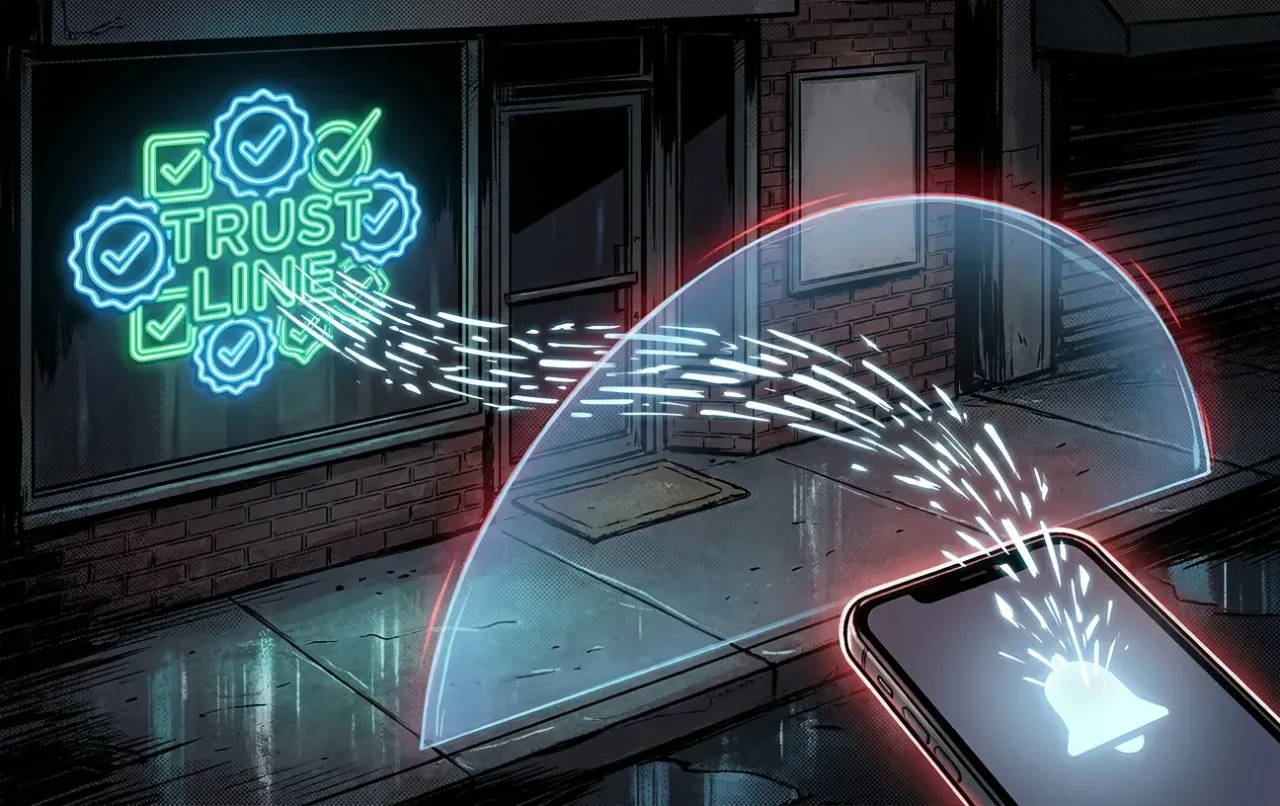
Text messages earn attention quickly, but attention is not permission to interrupt people. A campaign can be opened within moments and still damage trust if the message is vague, poorly timed, or sent to someone who never clearly agreed to receive it. That is the central challenge with sms marketing services: turning a direct channel into a useful conversation rather than another source of noise.
Marketers and business owners often face the same difficult choices. What should a text say when space is limited? How often is too often? Which subscribers should receive an offer, a reminder, or a follow-up? A generic bulk send may seem efficient, yet it can miss the customer’s needs and increase opt-outs. Compliance adds another layer: consent, clear opt-in records, and carrier requirements must be handled before a message is sent, not after a complaint arrives. Effective text message marketing requires a clear purpose, relevant audience data, sensible timing, and one action that is easy to understand. Consider one practical scenario: a small business sends a short, personalized reminder before a scheduled service appointment, including a simple link to confirm or reschedule. The text solves an immediate need, respects the customer’s time, and gives the business a measurable action to track. That approach is more useful than a message with no context. This guide explains the SMS marketing best practices that help campaigns feel timely, personal, and dependable. You will learn how to write concise messages, build a clear call-to-action in SMS, segment contacts by interest or behavior, choose a frequency customers can accept, and use automation for welcome messages, confirmations, and follow-ups. It also covers opt-in compliance, SMS drip campaigns, and the metrics that reveal whether texts lead to clicks, replies, conversions, or opt-outs. SMS Marketing Services can support these moving parts, but the strategy still begins with understanding what the recipient expects at that moment. It helps teams replace guesswork with choices based on consent, customer context, and outcomes that can be reviewed after every send. We will also show how SMS can work alongside email, social media, and website activity rather than trying to carry the full marketing load. Our aim is to give you a practical framework for making each message earn its place on a customer’s phone. The following sections examine the habits and decisions that make SMS marketing campaigns more useful, compliant, and effective.
What SMS Marketing Services Do and Why They Work
How text message marketing fits into modern mobile marketing
SMS marketing services help businesses send permission-based text messages for offers, reminders, updates, confirmations, and follow-up. Because texts arrive on a device people keep nearby, they can support fast, direct communication when timing matters.
Text message marketing should not replace email, social media, or a website. Instead, it should support them. A short SMS can bring attention to an appointment, a time-sensitive update, or a link that provides more detail elsewhere. This makes SMS useful for mobile marketing without asking customers to read a long message on a small screen.
What makes an SMS marketing campaign effective?
Effective SMS marketing campaigns balance relevance, timing, permission, and a clear purpose. The strongest messages feel like helpful communication from a real business, not another loud advertisement competing for attention.
Trust is especially important because customers often treat their inbox as personal space. A campaign should earn that access by being useful, accurate, and easy to opt out of. That trust-first approach shapes how messages are written, scheduled, and measured.
Lead With Trust Instead of Hype
Why trust matters in SMS marketing services
Texts feel immediate, which makes tone important. A vague promotion or overly aggressive message can quickly make a subscriber regret opting in. Helpful communication, on the other hand, can support stronger customer engagement via SMS over time.
Brands can build confidence by making every message easy to understand and connected to a clear reason the person subscribed. Three trust-building message types are appointment updates, order alerts, and service reminders. These messages provide value before asking for a purchase.
A business can also support credibility across its wider presence with Google reviews, client reviews, testimonials, and a public review profile. These are not replacements for good messaging, but they give prospects more ways to assess whether a business is dependable.
How to write like a real person in text message marketing
Write as if the customer is busy, because they probably are. Use plain language, name the business clearly, and lead with the most useful detail. Avoid inflated claims, all caps, and long strings of promotional language.
A human message has a simple structure: who is sending it, why it matters, and what the recipient can do next. This style is easier to read and makes text message marketing feel more respectful.
Use SMS as a trust-building channel, not just a sales tool
A service business can use SMS to confirm a booking, notify a customer about a schedule change, or send a reminder before an appointment. These messages solve small problems for customers and make future promotional messages feel less disruptive.
This practical value exchange aligns with Twilio’s SMS marketing strategy guide, which emphasizes permission, useful content, lifecycle targeting, and coordination with other channels. Once trust is established, compliance needs to protect it.
Know the Rules Before You Send
Stay compliant with opt-in compliance and consent rules
Opt-in compliance begins before the first marketing message. Businesses need clear permission language, a record of when consent was collected, and a process for honoring opt-out requests. A sign-up form should explain what kind of texts a person may receive and how to stop them.
Consent records matter because they help a business show that subscribers chose to hear from it. They also prevent teams from treating old contact lists as automatic permission for bulk SMS marketing.
Understand SMS marketing regulations, CTIA, TCPA, and 10DLC
SMS marketing regulations include federal rules, carrier requirements, and industry guidance. The TCPA is often discussed in connection with consent for automated marketing communications. Businesses should review federal consent and opt-out rules for marketing texts, which require reasonable revocation requests to be handled within 10 business days and limit solicitation hours.
CTIA guidance focuses on preserving consumer trust by encouraging wanted, permission-based messages and protecting recipients from unwanted contact. Following CTIA Messaging Principles and Best Practices helps businesses build campaigns that carriers and customers are more likely to accept.
A2P 10DLC refers to application-to-person messaging sent through standard business phone numbers. Brand and campaign registration helps identify who is sending, why messages are being sent, and what type of content is involved. The official A2P 10DLC registration overview explains how verified brands and campaigns fit into the carrier ecosystem.
Build compliance into SMS marketing best practices from the start
Before launch, establish a documented process for consent capture, subscriber storage, opt-out handling, sender identification, and message review. Staff should know which lists are approved and which contacts should never receive promotional texts.
Good compliance is not only a legal safeguard. It can reduce complaints, improve list quality, and make SMS marketing services more stable as a business grows. With that foundation in place, the next priority is writing messages people want to act on.
Write Messages That Get Read and Acted On
How to write compelling calls-to-action in text messages
A call-to-action in SMS should tell the reader exactly what to do. “Book your visit,” “Reply YES,” “Confirm now,” and “View available times” are clearer than “Learn more” when the intended action is specific.
Use one goal, one CTA, and one next step in each message. This keeps the text focused and reduces the chance that a customer ignores it because the request is unclear.
What is the ideal length for a marketing text message?
Keep marketing texts short enough to scan quickly. Start with the value, then add the action. If the offer needs more explanation, send readers to a focused landing page instead of forcing every detail into the text.
Shorter messages also make it easier to spot the business name, reason for contact, and call-to-action. Every word should help the reader decide whether to act.
Best practices for SMS marketing messages that feel useful
Useful messages answer a customer need instead of pushing a product without context. Mention the benefit early, make the next action easy, and avoid sending a message simply because there is room on the calendar.
This approach supports how to create an effective SMS marketing campaign: begin with a customer reason, then write a message that respects their time. Relevance becomes even stronger when the audience is segmented.
Use Personalization and Segmentation to Improve Results
Personalization in text marketing that feels relevant
Personalization in text marketing can include a customer’s name, service category, recent purchase, or stage in the customer journey. The goal is not to show how much data a brand has. The goal is to make the message more useful.
For example, a returning customer may need a reorder reminder, while a new lead may need booking information. Different needs call for different messages.
Message segmentation for targeted SMS messaging
Message segmentation groups subscribers based on meaningful differences, such as location, interest, customer status, or past behavior. Rather than sending the same offer to everyone, businesses can build 2 audience segments around active customers and new subscribers.
Targeted SMS messaging reduces random outreach and helps customers receive content that fits their relationship with the brand. Better relevance can also help protect against opt-outs.
How to personalize SMS messages at scale
CRM fields and contact tags make personalization manageable across larger lists. Teams can identify who booked, who bought, who clicked, or who has not interacted recently, then match messages to those actions.
Clean data matters more than complicated automation. A simple tagging process can make customer engagement via SMS more useful and prepares the campaign for smarter timing decisions.
Send at the Right Time and the Right Frequency
When is the best time to send SMS marketing messages?
When is the best time to send SMS marketing messages? The answer depends on the audience and purpose. A service reminder may be useful close to an appointment, while a weekend promotion may need a different schedule.
Review customer behavior, business hours, time zones, and urgency before setting a send time. Avoid treating every audience as if they follow the same routine.
Match frequency to customer expectations
Too many texts can make even a relevant brand feel intrusive. Set expectations during opt-in, then maintain a steady rhythm that matches the value being delivered.
Best practices for SMS marketing for small businesses often begin with restraint. Send when there is a genuine update, useful offer, or needed follow-up, rather than filling a calendar with unnecessary promotions.
Build timing rules for different campaign types
Offers, reminders, confirmations, and follow-ups should have their own timing rules. Confirmations should arrive promptly, reminders should allow time to act, and follow-ups should not arrive before the customer has had a fair chance to respond.
Testing should focus on one timing decision at a time. That makes it easier to learn whether the message type, audience, or send window caused a change in response. Timing rules become easier to manage through automation.
Automate Simple Journeys Without Losing the Human Touch
How text message automation supports better follow-up
Text message automation helps teams send consistent confirmations, reminders, and follow-ups without manual effort every time. It is especially useful when a missed message could lead to a missed appointment or delayed response.
Automation should still sound natural. Review templates regularly, use customer data carefully, and make sure every automated text has a clear purpose.
SMS drip campaigns for welcome, reminder, and re-engagement flows
SMS drip campaigns send messages based on a subscriber action or stage. A welcome flow can set expectations, while a reminder flow can help customers complete a booking or prepare for service.
A simple 3-message sequence might include a welcome text, a useful follow-up, and a final reminder tied to the subscriber’s original interest. SMS Drip Campaigns can support structured follow-up without turning customer communication into a generic blast.
Use business automation services to simplify SMS workflows
Business Automation Services can connect SMS, CRM updates, lead routing, and follow-up tasks. This reduces manual work while helping staff respond more consistently.
The best automated journeys stay simple. A customer should always understand why they received the message and what to do next. That requires organized contact data.
Grow Better Campaigns Through Smart List Management
How to grow your SMS subscriber list the right way
List growth should come from clear permission, not purchased contacts or unclear forms. Website prompts, checkout pages, booking forms, and in-person service interactions can all invite customers to opt in when the value is explained.
Quality matters more than volume. A smaller list of people who expect messages is more valuable than a large list that does not recognize the sender.
Why CRM setup helps SMS marketing services perform better
CRM Setup & Management can help businesses organize contact information, consent status, customer stages, and communication preferences. This supports better message segmentation and lowers the risk of sending the wrong text to the wrong person.
Clean records also help teams understand where subscribers came from and what they want. That makes personalization more accurate.
Use customer journey data to improve SMS campaign targeting
Purchase history, recent service dates, form submissions, and website actions can reveal what customers may need next. Use that information carefully to send relevant messages rather than broad, repetitive promotions.
A strong data process supports both targeting and measurement. Once messages are being sent with purpose, performance metrics can show whether that purpose is working.
Track the Metrics That Show Real Value
Key SMS marketing metrics and KPIs to track
Track clicks, replies, conversions, opt-outs, and delivery issues. Send volume alone does not explain whether an SMS campaign created business value.
Results to Track
Use a 4-part review after each campaign: audience, message, timing, and action taken. Compare performance across segments without assuming that a high click count always means a strong result. A booking, completed purchase, confirmed appointment, or qualified reply may be more meaningful than a click.
How analytics and attribution improve SMS marketing campaigns
Analytics, Tracking & Attribution can help connect text message marketing activity to website visits, form submissions, bookings, and other customer actions. This creates a clearer picture of what each campaign contributes.
Use data to improve text message marketing over time
Review results after every send, then adjust one variable at a time. Test audience groups, offers, wording, or timing, but avoid changing everything at once.
Lessons Learned
The useful lesson is that SMS performance improves through steady learning, not guesswork. We recommend documenting what was sent, who received it, and what action was expected. We also recommend keeping successful templates as starting points rather than copying them blindly for every audience.
This review process helps teams see where SMS fits within the full customer journey.
Connect SMS With Email, Social, and Website Marketing
SMS marketing vs. email marketing: when to use each channel
SMS is strongest for short, urgent, or action-based communication. Email is better for longer explanations, visual content, detailed offers, and resources customers may want to save.
An Email Marketing Service can complement SMS by providing the detail that a text should not carry. A text can alert a subscriber to an important email, while the email explains the full offer or service.
Build a fuller mobile marketing system
A connected mobile marketing system uses SMS to direct attention and other channels to provide depth. A website can collect opt-ins, social media can build awareness, email can educate, and SMS can prompt timely action.
This coordinated approach prevents one channel from carrying every task. It also creates a more consistent experience for the customer.
Learn from connected campaign strategy across channels
Email Campaigns, Segmentation, Personalization & Automation shows how segmentation, personalization, and automation can support more coordinated communication. The same customer insights can guide both email and SMS, while each channel keeps its own purpose.
Put SMS Marketing Best Practices Into Action
Build a simple campaign checklist before you send
Use a repeatable review process before each campaign:
Confirm consent and opt-out handling
Check the audience segment and message relevance
Review the timing and call-to-action
Verify links, tracking, and sender identification
Case Study Scenario
Consider a hypothetical local service provider using SMS to reduce missed appointments. The business first collects clear opt-ins during booking, then sends a confirmation and a helpful reminder. The campaign is not framed as a sales push. It is designed to make the customer’s next step easier.
We would measure replies, confirmations, opt-outs, and completed appointments before expanding the workflow. This protects trust while showing whether the SMS campaign is helping the service process.
When to get help from SMS marketing services
Businesses may need support when they are setting up consent processes, connecting a CRM, registering campaigns, creating automation, or interpreting performance data. SMS Marketing Services can provide guidance for businesses that want a practical strategy without relying on trial and error.
Take the next step with a marketing partner
Marketing Consulting can help shape a plan around audience needs, channel roles, compliance, and campaign goals. Businesses ready to build a more organized SMS strategy can Book a Call with RockN' Socials for practical support.

Conclusion
SMS marketing works best when it is treated as a trust-based communication channel, not just a fast way to send promotions. The strongest campaigns are the ones that respect consent, stay useful, and match the customer’s stage in the journey. When a text feels timely, clear, and relevant, it can support service reminders, confirmations, follow-ups, and offers without overwhelming the person receiving it.
A major takeaway from this article is that SMS should work alongside email, social media, and your website, not replace them. Texts are ideal for short action prompts, while other channels can carry the extra detail. That balance helps businesses communicate more efficiently and keeps the message from becoming too crowded for a mobile screen.
Trust is the foundation of every strong SMS program. A message that arrives with a clear reason, a plain tone, and an easy opt-out is far more likely to support long-term engagement. Businesses that also show proof of reliability through client reviews and a public review profile give prospects another reason to feel confident before subscribing or responding.
Compliance also cannot be an afterthought. Consent records, opt-out handling, sender identification, and campaign registration all protect both the business and the customer. The article also makes it clear that rules matter in practice, not just on paper: the text of the federal opt-out standard in federal consent and opt-out rules for marketing texts requires reasonable revocation requests to be handled within 10 business days, and CTIA Messaging Principles and Best Practices reinforce the value of permission-based messaging.
Another important lesson is that good results come from structure. Segmentation, personalization, and timing help a message feel relevant instead of random. A simple 3-message sequence in SMS Drip Campaigns can welcome a subscriber, support the next step, and follow up without sounding pushy. That same idea works even better when connected to Business Automation Services, CRM Setup & Management, and Analytics, Tracking & Attribution, because each part helps the system stay organized and measurable.
Final expert takeaway: the best SMS marketing services do not chase volume first. They build permission, send only what matters, and improve with data over time.
If you are ready to turn SMS into a smarter part of your customer journey, explore SMS Marketing Services or Book a Call to see how a practical strategy can fit your goals.
SMS marketing works best when it feels useful, timely, and personal. The key takeaways below highlight how to build campaigns that earn attention, follow the rules, and drive better engagement without sounding pushy.
Lead with trust, not hype: Research suggests SMS performs well because people already treat text messages as a more trusted channel than many other digital ads, so a friendly, human tone can matter as much as the offer itself.
Write like a real person: Keep messages short, clear, and conversational so they feel helpful instead of promotional, which can improve response without adding extra complexity.
Use personalization to make messages feel relevant: Data shows that tailored texts often outperform generic blasts because they match the customer’s needs, behavior, or stage in the buying journey.
Time messages to fit customer habits: Send texts when people are most likely to read and act on them, since timing can strongly shape open rates and campaign performance.
Match frequency to customer expectations: Research suggests too many texts can feel intrusive, so a steady but limited sending rhythm helps protect engagement and reduce opt-outs.
Make every text include one clear next step: A strong CTA should tell readers exactly what to do, such as shop, reply, book, or redeem, so the message has one obvious purpose.
Segment before you send: Group subscribers by interest, purchase history, or location so your SMS marketing services can deliver messages that feel targeted instead of random.
Stay compliant from the start: Follow opt-in rules, consent requirements, and carrier guidelines so your campaigns protect both your audience and your brand.
Automate simple journeys for better follow-up: SMS drip campaigns can welcome new subscribers, confirm actions, or re-engage inactive contacts without requiring manual effort every time.
Track the metrics that show real value: Focus on clicks, replies, conversions, and opt-outs so you can improve what matters instead of judging success by sends alone.
Use SMS as a trust-building channel, not just a sales tool: One practical scenario is a small business sending a short, personalized reminder before a service appointment, which feels helpful and strengthens the relationship.
Treat mobile marketing as part of a bigger system: SMS works best when it supports email, social, and website efforts, not when it tries to do everything on its own.
These takeaways show that effective SMS marketing is not just about sending texts faster. It is about building trust, sending the right message at the right time, and using simple strategies that keep customers engaged. In the sections ahead, we will break down the best practices that make SMS campaigns work in the real world.

Ready to Build a Smarter SMS Campaign?
If consent, timing, and follow-up feel hard to manage, now is the time to create a clear SMS plan before another message goes out. We offer SMS marketing support built around real business needs and measurable campaign goals.
Set up clear opt-in and opt-out processes
Build audience segments for more relevant messages
Create automated reminders, welcome texts, and follow-ups
Connect SMS with CRM, email, and website activity
Track replies, clicks, bookings, and subscriber actions
Get a practical system that helps each text feel useful, timely, and easy to measure. Book an SMS marketing consultation today to plan a compliant campaign that supports customer action.
[1] eCFR: 47 CFR § 64.1200 — Delivery Restrictions. https://www.ecfr.gov/current/title-47/chapter-I/subchapter-B/part-64/subpart-L/section-64.1200
[2] CTIA Messaging Principles & Best Practices. https://www.ctia.org/the-wireless-industry/industry-commitments/messaging-interoperability-sms-mms
[3] The Campaign Registry: The 10DLC Ecosystem. https://www.campaignregistry.com/
[4] Blueprint for SMS Marketing. https://www.twilio.com/content/dam/twilio-com/global/en/10_resource_center/legacy/downloadable-assets/whitepaper/Blueprint%20for%20SMS%20Marketing.pdf
FAQ'S
Frequently Asked Questions
Quick answers about how we help businesses grow.