
Service
Website Design Service In Daytona Beach For Increased Conversions And Leads
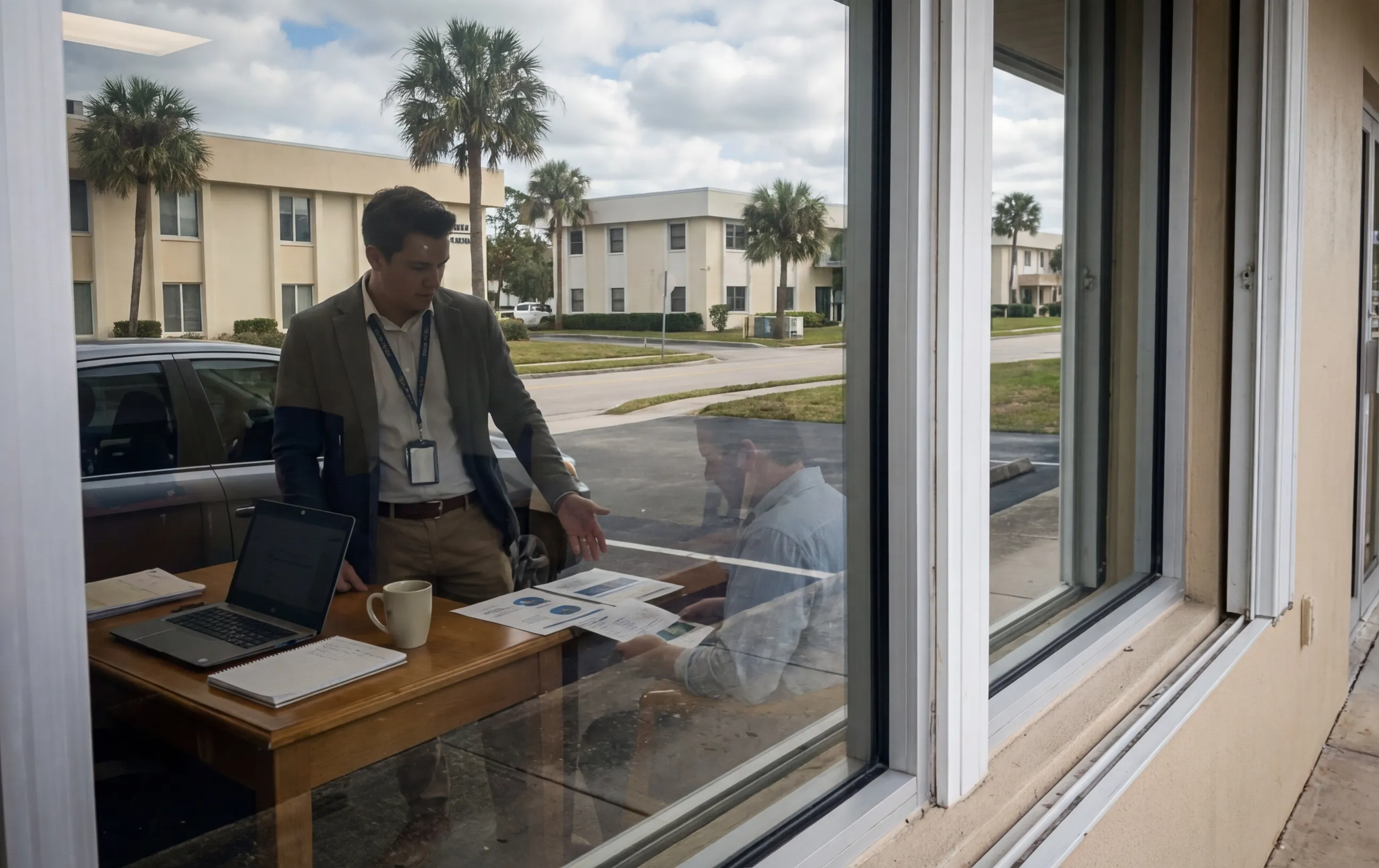
Website design service is often the difference between a business that simply exists online and one that consistently generates leads and booked jobs. Many businesses in Daytona Beach come to us after investing in ads or social media, only to realize their website is not converting traffic into inquiries. We often see service pages that never rank, slow load times that drive visitors away, or sites that look fine but fail to guide users toward a clear next step. When the foundation is weak, every other marketing effort becomes more expensive and less effective.
Before a redesign, we typically uncover crawlability issues, indexing gaps, poor internal linking, and weak keyword targeting that limit search visibility. Our responsive website development services focus on improving structure, speed, and usability so search engines and users can navigate the site without friction. Strong professional website design ensures content hierarchy, calls to action, and page layouts support conversions, especially for companies managing dozens of service pages or expanding into new markets.
At RockN' Socials, we start with structured technical audits and search visibility diagnostics to uncover what is holding performance back. Our crawl diagnostics and index coverage analysis show exactly where opportunities exist. We work closely with local service businesses and growing companies that rely on inbound leads, and the rest of this page outlines how each website tier is built to support long term growth and measurable results.
What You Get
You receive a fully planned, designed, and built website with clear structure, measurable performance benchmarks, and defined approval stages. Every phase produces documented outputs so you can review decisions, track progress, and understand how your site supports lead generation and visibility.
Deliverables
Website architecture planning document outlining page hierarchy, navigation structure, URL mapping, and internal linking strategy
Page structure outline detailing headings, content sections, call to action placements, and conversion elements for each core page
Website design mockups created in Adobe Photoshop or built as interactive prototypes for homepage and key interior pages
Responsive website development for desktop, tablet, and mobile ensuring layout consistency across devices as part of responsive website development services
CMS setup and configuration in Webflow, WordPress, Shopify, or similar platform including template setup, user roles, and content fields
On page SEO foundations implementation including page titles, meta descriptions, heading structure, image alt text, and indexation settings
Page speed and Core Web Vitals optimization recommendations report generated using Google PageSpeed Insights with documented improvement actions
Contact forms and lead capture setup with confirmation messages, routing rules, and CRM connection to RockN' Socials CRM
Conversion tracking configuration including form submissions and key events inside Google Analytics 4
Google Analytics 4 and Google Search Console integration with verified property setup and sitemap submission
Pre launch performance and SEO readiness report reviewing crawlability, indexing status, mobile responsiveness, and speed benchmarks
Post launch performance check summary confirming analytics tracking, search console indexing, and technical validation
For businesses operating in Daytona Beach, architecture planning may include service area page structure and location signal alignment to match local market conditions.
Tools and Access
Development is completed using Webflow, Framer, or WordPress depending on your package level and business goals. Performance validation is conducted through Google PageSpeed Insights, Google Analytics 4, and Google Search Console.
If you select a larger build aligned with a responsive website development company model, you may also receive staging links for structured review before launch.
You will need to provide:
Domain registrar or DNS access
Hosting or CMS admin access
Google Analytics access or approval to create tracking
Google Search Console access or verification approval
All analytics properties remain accessible to you after launch.
What You’ll Be Able to Review
You will be able to review:
Initial website audit and project scope summary
Design mockups before development begins
Milestone previews during build phase
Pre launch performance and SEO readiness report
Live analytics dashboard in Google Analytics 4
Search indexing status inside Google Search Console
Optional monthly website performance summary and maintenance report
This structure ensures transparency across design, development, and professional website design decisions.
What We Need From You to Start
To begin, we require:
Logo files and brand style guidelines
High quality images or approval to source stock assets
List of services, service areas, and business descriptions
Contact information and preferred call to action
Access credentials outlined above
A single approval contact for design and development decisions
Clear inputs allow the build process to move forward without delays and ensure your site reflects your business accurately from day one.

How We Evaluate and Improve Performance
Performance improvements are never based on assumptions. Every website design service we deliver is evaluated through structured analysis, measurable data, and technical diagnostics before recommendations are made.
Data Sources We Analyze
We review multiple data layers to understand how a site is performing and where friction exists.
Google Analytics 4 to evaluate user behavior, engagement rate, path exploration, and conversion tracking accuracy
Google Search Console to assess search visibility, click-through rates, indexing status, and keyword positioning
Google PageSpeed Insights to measure Core Web Vitals, load time, and mobile performance gaps
Platform-level diagnostics within Webflow, Framer, or WordPress to review structure, CMS configuration, and technical settings
RockN' Socials CRM to validate lead tracking accuracy and form submission flow
We examine signals such as traffic quality, page engagement, scroll depth, bounce patterns, and device distribution. For businesses investing in responsive website development services, device-level performance is especially important because mobile usability directly impacts conversions and search rankings.
Example Findings We Often Identify
During evaluation, we frequently uncover patterns such as:
Pages receiving impressions but low click-through due to weak meta titles or descriptions
High traffic landing pages with low conversion rates due to unclear calls to action
Mobile layouts that pass design review but fail performance benchmarks
CMS structures that limit scalability or future content expansion
Slow load speeds caused by oversized images or inefficient scripts
Each issue is documented in a structured audit summary. Findings are grouped into technical performance, user experience, search visibility, and conversion tracking. This categorization helps ensure improvements are aligned with measurable outcomes rather than subjective design preferences.
Example Analysis Scenario
For businesses operating in Daytona Beach, we often see strong local search impressions but uneven engagement between desktop and mobile users. In one typical scenario, Google Search Console may show solid visibility, while Google Analytics 4 reveals short session durations on mobile devices.
We then compare PageSpeed Insights data to check Core Web Vitals and loading behavior. If mobile load time exceeds recommended thresholds, we analyze image compression, layout shifts, and script loading order within the CMS.
By reviewing both behavioral data and technical diagnostics, we determine whether the issue is design clarity, speed performance, or tracking misconfiguration before recommending changes.
Real Tool Workflow
Our evaluation process combines design platforms and analytics tools to avoid isolated conclusions.
Webflow, Framer, or WordPress provide structural insight into layout hierarchy and CMS logic. Google Analytics 4 shows how users actually move through that structure. Google Search Console confirms how search engines interpret it. Google PageSpeed Insights measures performance impact.
Adobe Photoshop is used to optimize visual assets before deployment, preventing unnecessary speed issues. The RockN' Socials CRM validates that form submissions, tracking events, and lead capture workflows are firing correctly.
Using these tools together ensures that what appears to be a design issue is not actually a tracking error or indexing problem.
How Improvements Are Prioritized
After analysis, improvements are ranked based on impact and effort.
We prioritize:
Issues directly affecting conversions or lead tracking
Technical errors that limit search visibility
Speed optimizations that improve both user experience and rankings
Structural updates that strengthen long-term scalability
This structured prioritization allows a responsive website development company to focus on the changes that generate measurable improvement first, while planning larger structural enhancements in phases.

Our Process
Strong websites are built through a clear, repeatable workflow—not last-minute changes or guesswork. Our website design service follows a structured process so every decision has a purpose, every review point is clear, and the final site supports real business goals like trust, clarity, and lead capture.
Step 1: Initial Assessment
We start by reviewing your current digital presence and what it needs to accomplish. If you already have a site, we look at what’s working and what’s getting in the way. If you’re starting from scratch, we review your business information, target customers, and the actions you want visitors to take.
This assessment typically covers:
Current site structure and navigation (or planned page list if new)
Content clarity: what you do, who it’s for, and why it matters
Mobile experience and usability issues
Basic performance signals like load behavior and page consistency
Existing forms, tracking, and any integrations you rely on
For businesses operating in Daytona Beach, we also consider how people tend to compare services quickly and make decisions on mobile, which affects how we prioritize page layout and messaging.
Step 2: Strategic Planning
Next, we turn what we learned into a plan you can understand and approve. This step sets the direction for the build so design and development don’t drift.
We define:
The primary goal of the site (calls, form submissions, bookings, or requests)
A page-by-page plan based on what customers need to see before they reach out
The content order on key pages so important information is not buried
What needs to be written, provided by your team, or sourced (images, logos, brand details)
This is also where we align on the platform based on your tier and update needs, so the site stays easy to manage after launch.
Step 3: Implementation
Implementation is where planning becomes a real, functioning website. We build in stages so you can review progress without waiting until the end.
During this step, we:
Create design comps or prototypes for key pages before full build
Build page layouts with consistent spacing, typography, and components
Set up forms, confirmations, and routing so leads reach the right place
Configure your CMS so your team can update content without breaking layouts
Apply accessibility-focused structure so the site is usable for more visitors
Complete responsive website development services so the site works cleanly on desktop, tablet, and mobile
We also connect required tools and ensure the site functions correctly across major browsers and devices.
Step 4: Monitoring and Measurement
After launch, we verify that tracking and data collection work as expected. This matters because you can’t improve what you can’t measure.
We check that:
Key actions (like form submissions) are recorded correctly
Traffic reporting is working and properties are connected properly
Data is clean enough to support decisions (not inflated by errors or duplicates)
We also confirm that users can complete important actions without friction.
Step 5: Continuous Refinement
Websites are never “set and forget.” Once real visitors interact with the site, we use what we learn to make practical improvements over time. This may include adjusting page layouts, clarifying copy, improving form completion flow, or refining navigation based on common user paths.
For companies serving customers in Daytona Beach, refinement often focuses on making key service information faster to find and reducing steps between interest and contact, since users often browse quickly and reach out to multiple providers.

Pricing
Project costs vary based on the scope of work, technical complexity, and the specific needs of your business. For companies serving customers in Daytona Beach, local market demands and integration needs can also affect timelines and budget.
Projects typically start around $2,000 ($97/Month Hosting + Maintenance) — best for small businesses or solo owners who need a simple, professional site with 1–5 pages, basic contact forms, and ADA-compliant structure to establish credibility online.
Most businesses invest between $6,000-$15,000 ($200-$300+/Month Hosting + Maintenance) — suited to growing companies that require more pages, custom layouts (Framer or Webflow), expanded content, and scalability for marketing and lead capture.
Larger or more complex implementations may range $25,000-$50,000+ ($300-$500+/Month Hosting) — appropriate for enterprise-level projects, multi-location organizations, or initiatives that include hundreds of pages and a paired marketing package for full performance optimization.
Common factors that influence final pricing include:
Site size and overall scope of the project
Number of pages, services, or content types to be created
Technical complexity, integrations, and custom development needs
Competitiveness of the market and the level of differentiation required
Ongoing maintenance and support levels requested (monthly hours, updates, hosting)
Current condition of the existing site and the amount of cleanup or migration needed
Most engagements begin with a consultation or a site review to define the correct scope and priorities. That discovery step helps ensure the investment is focused on the improvements that will deliver real value for your business.

Next Step
The next step is a consultation to understand your business goals and current situation. This conversation is tailored to businesses operating in Daytona Beach and focuses on where you want to grow.
During the call we will clarify priorities and the level of work needed. We also review the expected scope and timeline so everyone has a clear sense of what comes next.
The goal is to spot practical opportunities you can act on right away. We also use the conversation to decide if this service is a good fit for your current needs.
If you would like to explore the service further, you can schedule a consultation.
FAQ'S
Frequently Asked Questions
Quick answers about how we help businesses grow.