
Service
Graphic Design Services In Daytona Beach That Increase Qualified Leads And Local Visibility
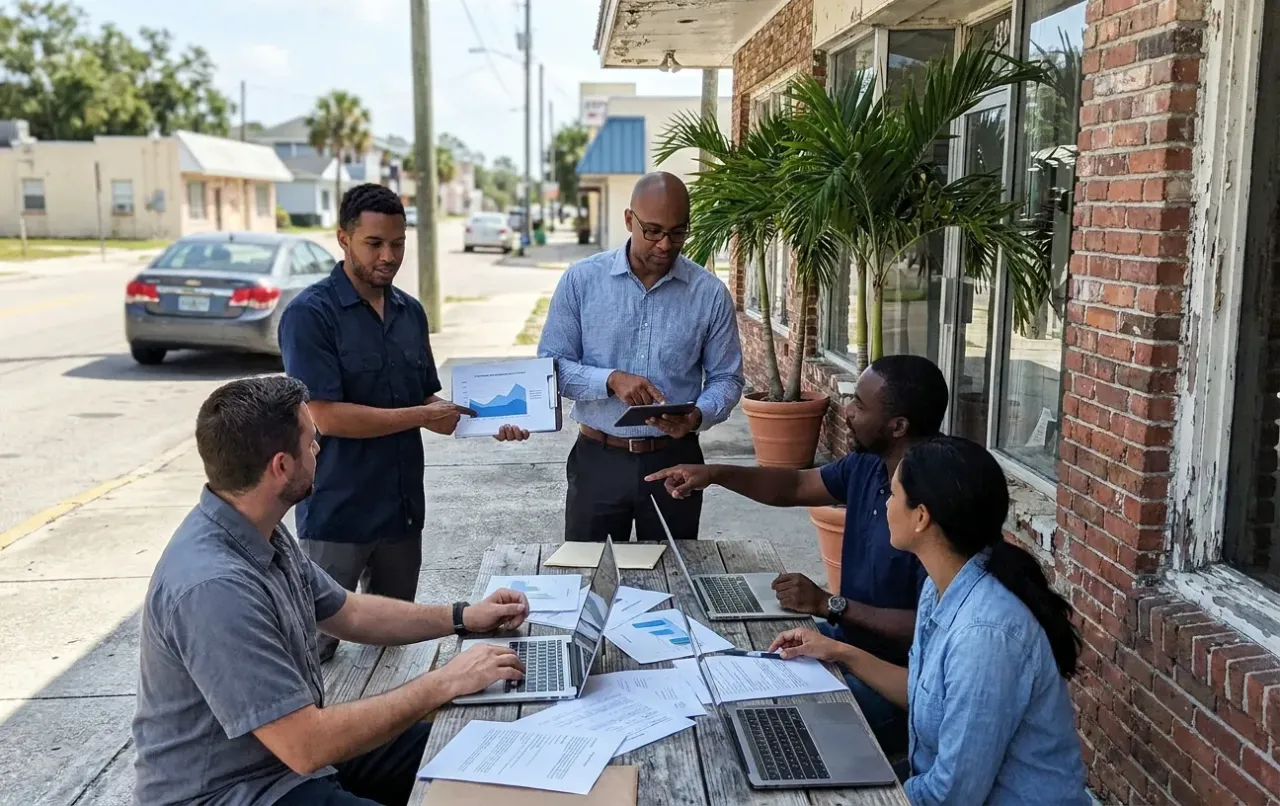
Graphic design services drive how customers recognize, trust, and respond to your brand across every touchpoint. For many businesses in Daytona Beach, inconsistent signage, outdated print materials, or low-impact ad creative quietly reduce walk-in traffic and inbound calls. We often see companies investing heavily in paid ads while their storefront signage, vehicle wraps, or local print placements fail to convert attention into action. Strong visual execution is not decoration. It directly affects brand recall, lead quality, and how confidently prospects choose you over a competitor down the street.
Before design starts producing real returns, underlying visibility and structure issues have to be addressed. Poor keyword targeting, weak internal linking, slow page speed, and content gaps often limit how well creative assets are supported online, especially for companies managing dozens of service pages. We provide unlimited graphic design services. We also deliver advertising design services. When design is aligned with site architecture, crawl behavior, and clear conversion paths, it supports both search performance and offline response.
RockN' Socials approaches every project with structured optimization roadmaps and search visibility diagnostics that connect creative output to measurable performance. Our team reviews crawl diagnostics and search visibility reports before aligning visuals with brand strategy, especially for local service businesses and growing companies relying on inbound leads. Below, you will see how our process turns design into a consistent lead generation asset rather than a one-time project.
What You Get
You receive structured design support with clear deliverables, defined review cycles, and organized asset management. Every project results in usable visual assets that align with your marketing goals and brand standards.
Deliverables
Marketing design assets such as social media graphics, email headers, landing page visuals, and promotional banners sized for specific platforms and placements
Print materials including brochures, flyers, posters, business cards, and event signage prepared with correct dimensions, bleed settings, and print-ready files
Digital creatives for websites, paid campaigns, and email marketing with export formats optimized for web performance
Branding visuals such as logo variations, typography selections, color palettes, and brand guideline documents in PDF format
Advertising graphics tailored for online placements and local campaigns, including ad variations for A/B testing
Project-based design files delivered in organized folders with editable source files and exported formats
Quarterly creative review summary outlining completed assets, usage performance insights, and recommended next steps
For businesses operating in Daytona Beach, design assets can be aligned with local market conditions, seasonal trends, and campaign timing relevant to your audience.
When applicable, clients can choose structured workflows similar to unlimited graphic design services, where requests are submitted through a managed queue and completed based on agreed turnaround times.
Tools and Access
Projects are managed inside RockN' Socials CRM, where requests, approvals, and revisions are tracked.
Design work is produced using:
Graphic design software including Photoshop
Illustration tools for vector graphics and scalable branding assets
AI-assisted design platforms for concept generation and layout refinement
Asset management systems for organized file storage and version control
Clients may receive shared folders or portal access to review drafts, download final files, and access archived materials. To begin work, we require access to brand files and any existing creative assets.
For companies seeking online graphic design services, collaboration is handled fully through digital platforms, eliminating the need for in-person meetings.
What You’ll Be Able to Review
You will be able to:
Review initial design concepts before final production
Approve or request revisions on draft files
Access organized folders containing editable and export-ready files
Monitor project status and revision history within the CRM
Review quarterly creative summaries to evaluate asset usage and future needs
This structure ensures transparency in timelines, revisions, and final outputs. If you are running paid campaigns or using advertising design services, you will also receive multiple size variations formatted to meet platform requirements.
What We Need From You to Start
To begin, we require:
Brand assets including logos, fonts, color codes, and style guides
Clear design direction or examples of preferred visual styles
Defined marketing goals such as campaign launches, rebranding efforts, or promotional timelines
Access to existing marketing materials that need updates or redesign
If your company serves customers in Daytona Beach, sharing details about your local audience and competitive landscape will help shape more relevant creative assets.
With these inputs, projects can move into concept development and structured production immediately.
How We Evaluate and Improve Performance
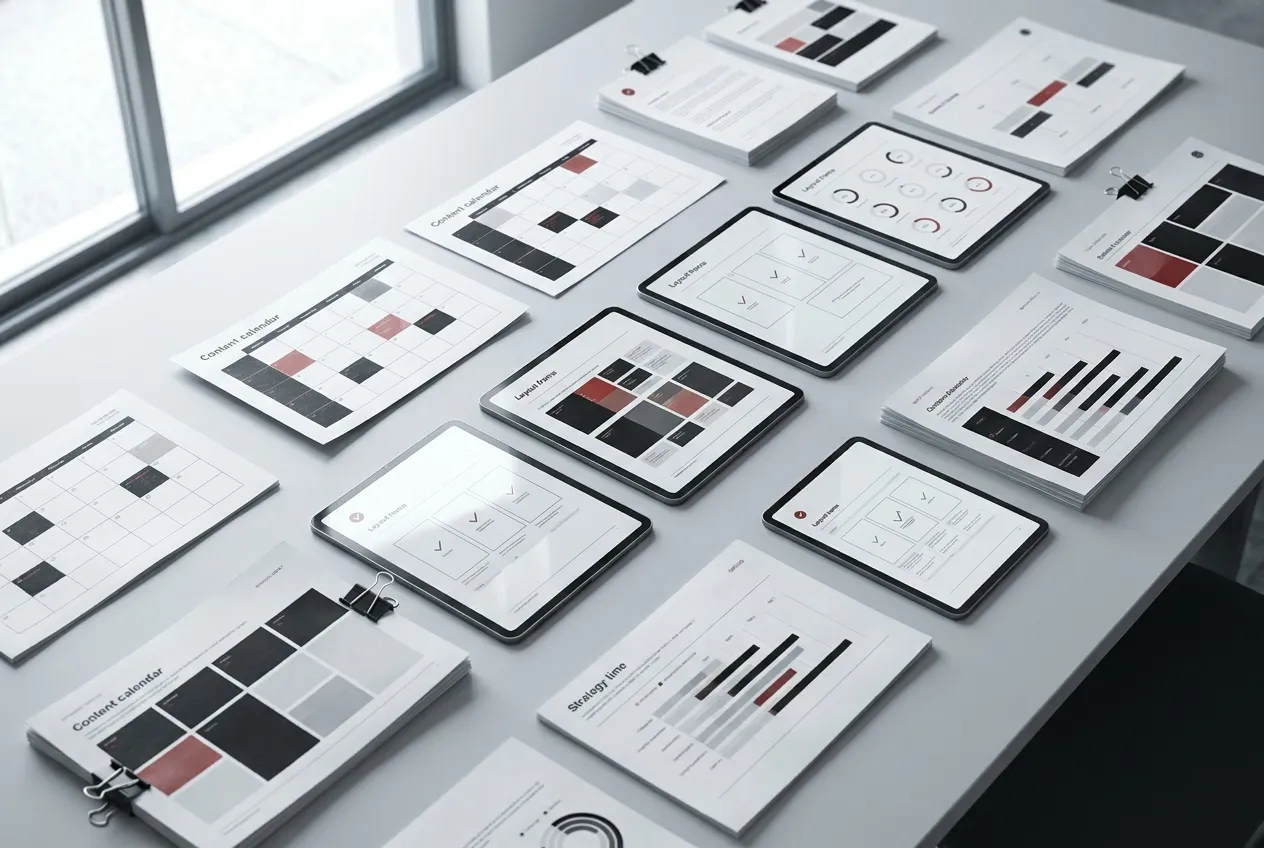
Every improvement we make is based on structured analysis and measurable signals. We review creative performance, production workflows, and asset usage data before recommending changes to our graphic design services.
Data Sources We Analyze
We evaluate both creative quality and operational efficiency using multiple data sources:
RockN' Socials CRM to review campaign timelines, asset requests, revision cycles, and delivery speed
Graphic design software and Photoshop files to assess layer structure, resolution settings, export formats, and consistency with brand guidelines
Illustration tools and AI-assisted design platforms to evaluate concept development speed and variation testing
Asset management systems to review version control, file organization, and reuse of approved branding visuals
We examine signals such as:
Revision frequency per asset
Approval turnaround time
Format mismatches between print and digital creatives
Inconsistent branding elements across marketing design assets
Performance differences between advertising graphics used in separate campaigns
These signals help us determine whether issues are related to design quality, brand consistency, technical formatting, or workflow inefficiencies.
Example Findings We Often Identify
During evaluations, we commonly find:
High revision counts caused by unclear brand standards
Strong visuals that do not align with campaign messaging
Print materials designed in incorrect color modes or resolution settings
Digital creatives exported without platform-specific size optimization
Asset duplication caused by poor version tracking
Each finding is documented inside our project tracking system with notes explaining the root cause and the corrective action required. Resolving these issues improves consistency, reduces production delays, and ensures advertising design services support broader campaign goals rather than operating in isolation.
Example Analysis Scenario
A common situation involves businesses operating in Daytona Beach that run seasonal campaigns. They may produce strong branding visuals, but engagement drops when the same creative is reused across multiple channels without format adjustments.
In this case, we compare:
CRM campaign timelines
Engagement patterns tied to specific asset versions
Export settings within Photoshop
Variations created through AI-assisted design platforms
If one ad format performs better while another underperforms, we review layout structure, text hierarchy, and visual balance. We determine whether the issue is creative fatigue, platform formatting, or message clarity. By comparing these data points instead of guessing, we isolate the real cause before recommending changes.
Real Tool Workflow
Our workflow connects multiple systems to prevent incomplete conclusions.
Design files are reviewed in graphic design software and Photoshop to check technical setup. Illustration tools are assessed for vector quality and scalability. AI-assisted design platforms are reviewed to understand concept variations and speed of iteration. Asset management systems confirm whether outdated versions are still in circulation.
Meanwhile, the RockN' Socials CRM tracks how each asset moves from request to approval. This allows us to see whether delays are creative issues or communication breakdowns.
By combining creative file analysis with operational data, we avoid blaming performance on design alone when workflow may be the real issue.
How Improvements Are Prioritized
After analysis, we rank improvements based on:
Impact on campaign performance
Frequency of the issue
Risk to brand consistency
Time required to correct
Issues affecting multiple marketing design assets are addressed first. Technical problems that could compromise print materials or digital creatives are prioritized over minor aesthetic refinements.
For clients using unlimited graphic design services, this prioritization ensures that recurring requests follow improved standards rather than repeating the same inefficiencies. Quarterly creative reviews then reassess performance patterns to confirm that implemented changes are producing measurable operational improvements.

Our Process
Strong design results come from a repeatable process, not random edits. Our workflow keeps every project organized, on-brand, and built for the real places your visuals will appear. Whether you need one-off pieces or ongoing graphic design services, we follow the same clear steps so decisions are based on facts, not guesswork.
Step 1: Initial Assessment
We start by reviewing what you already have and what the design needs to do. This includes collecting your current brand assets, looking at recent marketing materials, and checking where the new creative will be used (print, web, signage, apparel, or ads).
We also review your digital presence to understand context. That may include your website layout, current offers, and the look and feel of your social profiles or ads. For businesses operating in Daytona Beach, we consider practical factors like seasonal promotions, event-heavy calendars, and fast-changing local offers that can affect creative timing.
This step matters because good design starts with clear inputs: audience, message, placement, and constraints.
Step 2: Strategic Planning
Next, we turn findings into a plan that guides the design work. We confirm:
The goal of the asset (inform, promote, direct action, or build recognition)
The primary message and any required details (dates, pricing, disclaimers, contact info)
Format requirements (sizes, orientation, margins, and safe areas)
Brand rules (logo use, colors, fonts, and image style)
We then outline a simple creative direction, such as layout approach, hierarchy, and what needs to stand out first. This step matters because it reduces revision cycles and keeps the work focused on outcomes, not personal preference.
Step 3: Implementation
Design production begins with rough concepts, then moves into polished layouts. We build with real-world use in mind—readability at distance, strong contrast, and clean alignment—so the asset performs in the placement it was made for.
During implementation, we handle the technical details that prevent production issues later, such as correct dimensions, bleed and trim settings for print, and file formats that match the platform. We also create variations when needed (for example, different sizes or versions for different placements).
Work is managed through RockN' Socials CRM so requests, drafts, and approvals stay tied to the project. This step matters because execution quality is where strategy becomes a usable asset.
Step 4: Monitoring and Measurement
After delivery, we track what happens next based on how the asset is used. That may include reviewing engagement on screen ads, comparing responses between creative versions, or collecting feedback from sales staff on what customers mention or ask about.
When possible, we use basic performance indicators (like click activity or response volume) to understand whether the design is communicating clearly. This step matters because it connects creative decisions to real behavior, not opinions.
Step 5: Continuous Refinement
Design is rarely “done” after one round. We use what we learn to refine future assets: tightening headlines, improving hierarchy, simplifying layouts, or adjusting imagery for better clarity and consistency.
Over time, this creates a library of proven elements that make new projects faster and more consistent. For teams that want a steady flow of work, we can also support workflows similar to unlimited graphic design services, where priorities are managed and creative is improved through repeated iteration.
Pricing
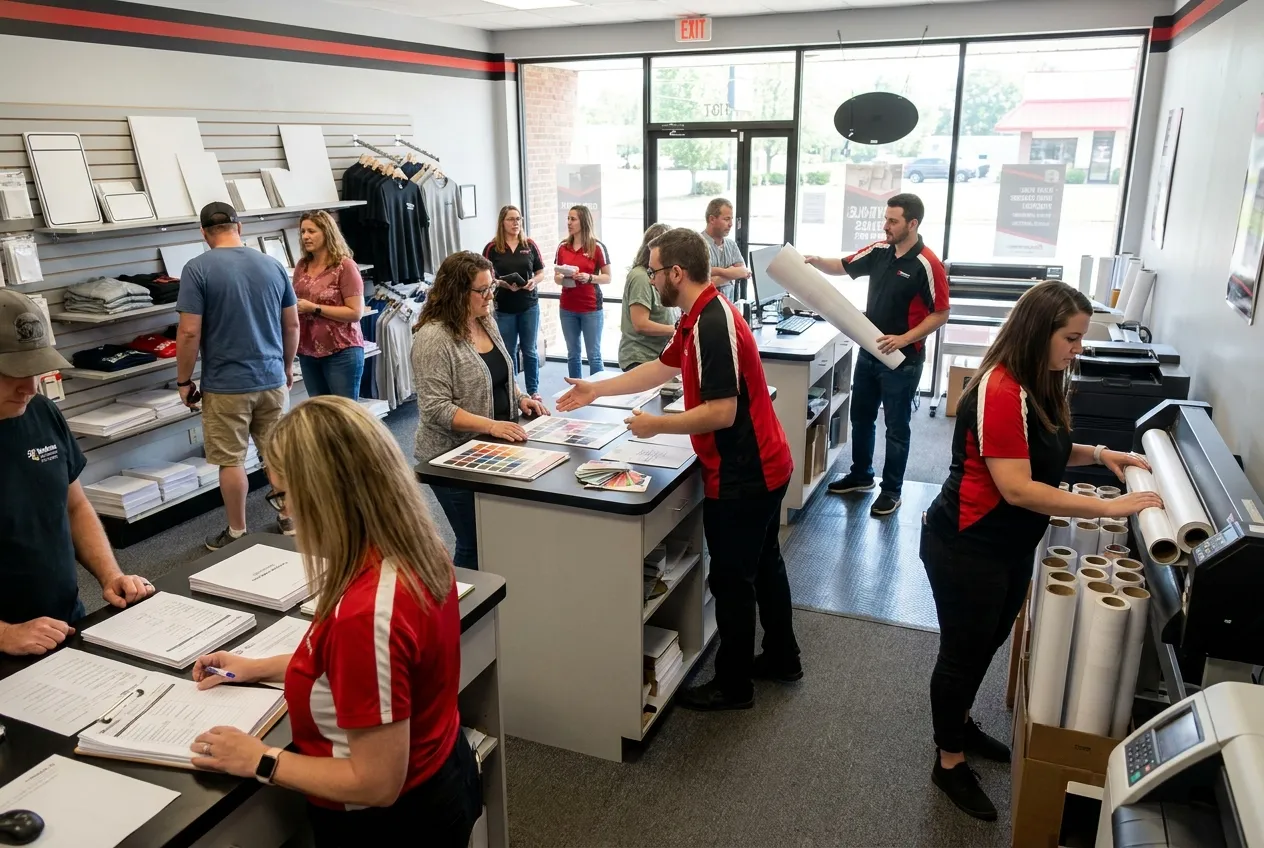
Pricing varies based on the scope of work, technical complexity, and the specific needs of the business. Small items and quick updates cost much less than coordinated multi-asset rollouts or campaign-level redesigns.
Projects typically start around $75–$1,000 per project — common for single-item work like a business card, flyer, simple t-shirt or hoodie graphic, or a one-off ad creative for print or social.
Most businesses invest between $1,000–$5,000+ per project — this range covers multi-piece collateral, vehicle or trailer wrap concepts, storefront signage design, or packages that include several ad sizes and formats for both digital and print.
Larger or more complex implementations may range $5,000–$25,000+ (full campaign or brand rollout) — used for full brand refreshes, coordinated billboard and TV ad creative, extensive print runs, or region-wide campaigns that require strategy, multiple deliverables, and asset adaptation.
Market conditions in Daytona Beach can influence pricing, particularly for outdoor signage and vehicle wrap work where demand and local permitting add time and cost.
Common factors that influence final pricing include:
size of the website
number of pages or services involved
technical complexity
competitiveness of the market
level of ongoing support required
current condition of the website
Most projects begin with a consultation or creative review so the scope is defined upfront. That initial assessment helps determine which assets and effort will deliver real value, so businesses only invest in the improvements that matter.

Next Step
The next step is a consultation to understand your business goals and current situation. We'll listen to how you operate and what success looks like for you.
During the conversation we clarify priorities, scope, timeline, and level of work. That helps set realistic expectations and focus effort where it matters most.
The point of the conversation is to identify practical opportunities and areas where the service can add value for businesses operating in Daytona Beach. It helps determine whether the service is a good fit for your needs.
If you would like to explore the service further, you can schedule a consultation.
FAQ'S
Frequently Asked Questions
Quick answers about how we help businesses grow.