
Service
Facebook Ad Management In Daytona Beach For Consistent Lead Generation And Conversions
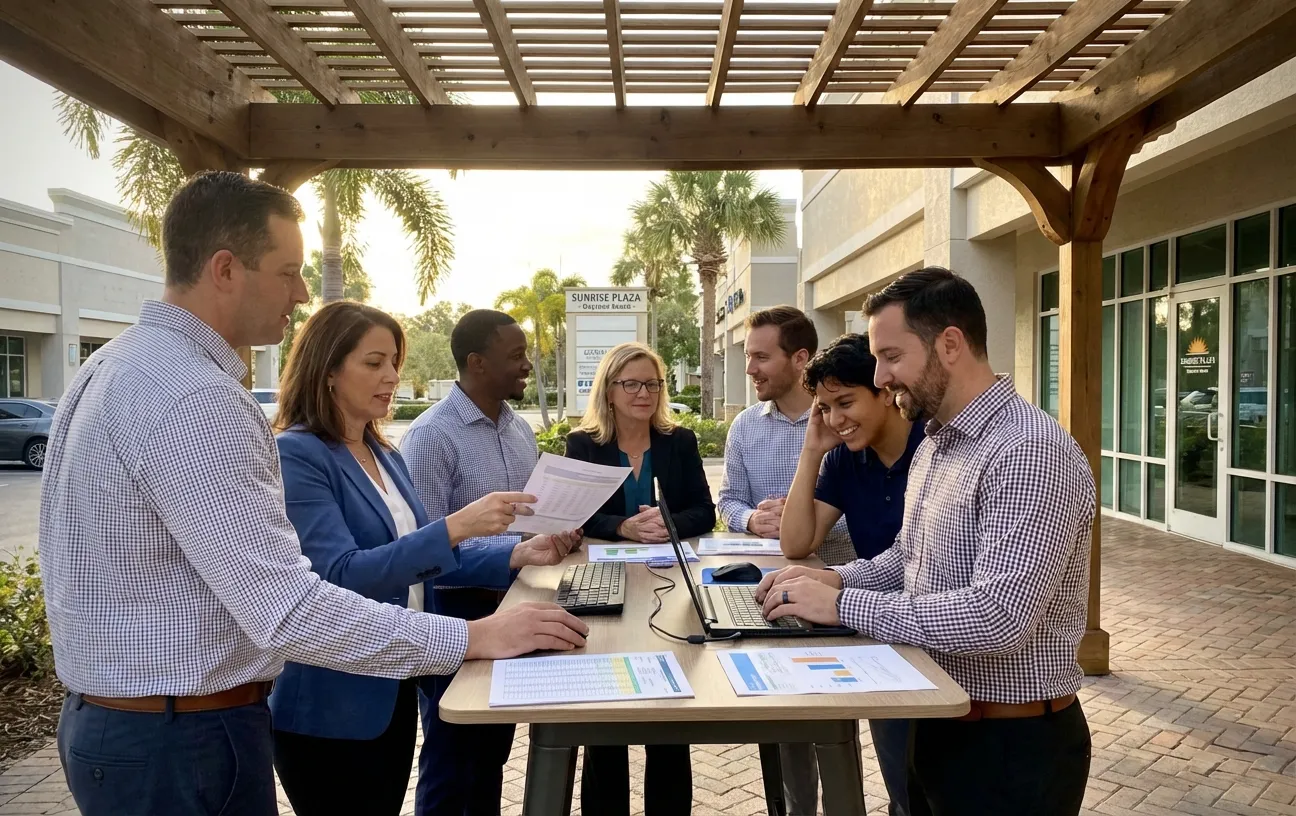
Facebook ad management is the difference between boosting random posts and building a predictable lead pipeline. Many businesses in Daytona Beach rely on occasional promotions, only to see traffic spike briefly and then disappear. Others generate clicks but struggle to turn them into calls or form submissions because their campaigns are not aligned with landing pages, audience intent, or follow up systems. When ads are structured correctly, they drive qualified inquiries, support revenue goals, and create consistent conversion opportunities instead of short term visibility.
Performance issues often start before the ads even launch. Weak site architecture, slow page speed, poor keyword targeting, and thin landing page content reduce conversion rates even when traffic is strong. Effective social media content scheduling keeps campaigns consistent and aligned with buying cycles. A defined facebook engagement strategy turns passive followers into conversations and inquiries. This becomes even more important for growing companies managing dozens of service pages and multiple offers at once.
At RockN' Socials, we use structured optimization roadmaps to connect ad campaigns with measurable business outcomes. Our process includes search visibility reports and performance dashboards that show where leads are dropping off and where scale is possible. We commonly work with local service businesses and small to mid-size companies that depend on steady inbound leads. Below, you will see how our approach turns managed campaigns into consistent conversions.
What You Get
With our Facebook Management service, you receive a structured system for planning, publishing, and improving your presence on Facebook. The focus is on consistent execution, clear reporting, and practical growth for businesses operating in Daytona Beach.
Deliverables
Page Optimization Setup
Review and update of profile details, service descriptions, contact information, messaging settings, and call-to-action buttons. Includes a checklist document outlining updates made and recommendations for ongoing improvements.Monthly Content Plan and Calendar
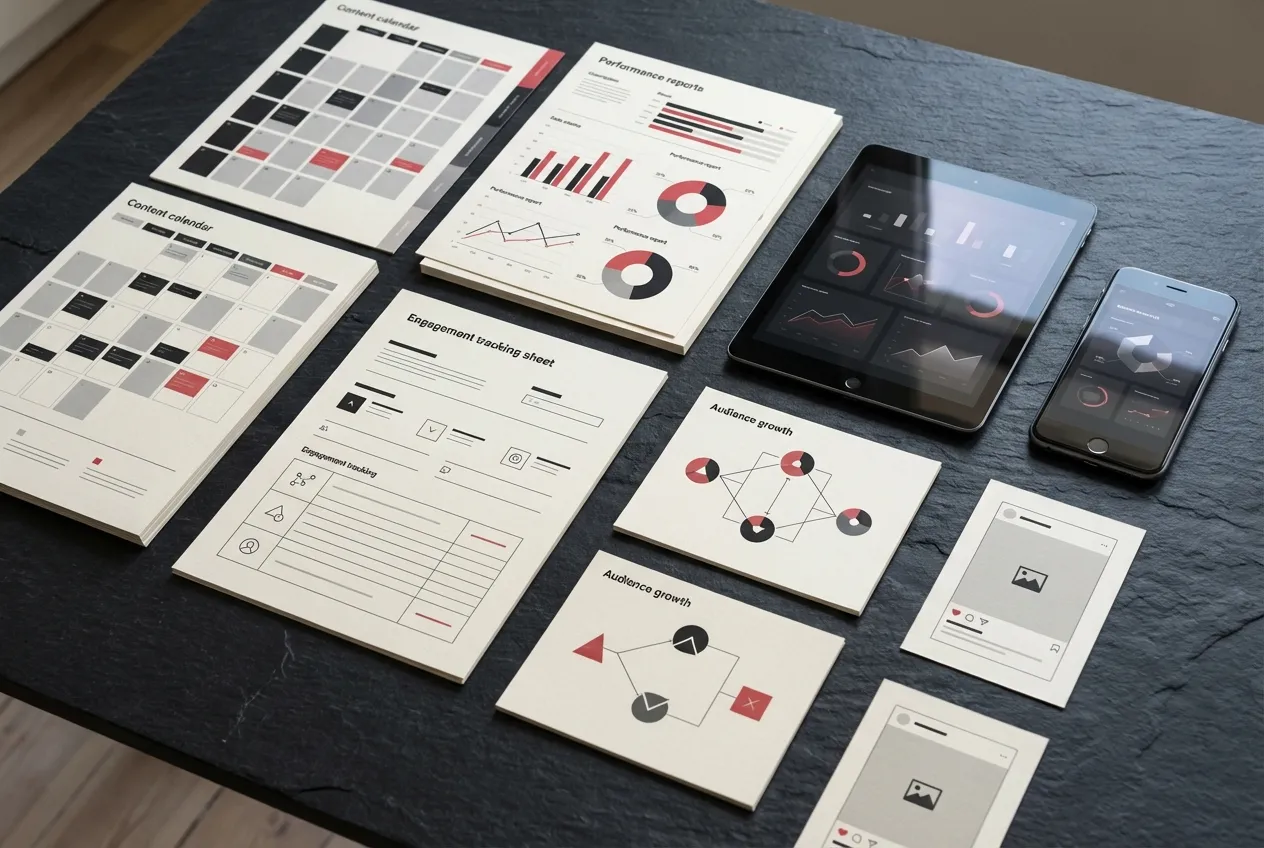
A documented content calendar outlining post topics, formats, captions, and publishing dates. Built around your offers, seasonal trends, and local market conditions in Daytona Beach.Post Creation and Design Assets
Professionally written captions and custom graphics created using Adobe Photoshop and graphic design software. Each post is formatted for clarity, brand consistency, and mobile visibility.Social Media Content Scheduling
Posts are loaded into content scheduling systems in advance, with timestamps and publishing confirmations documented in your content calendar.Facebook Engagement Strategy Framework
A written plan outlining response time standards, comment moderation approach, community interaction guidelines, and escalation procedures for customer service issues.Engagement Monitoring Log
Ongoing tracking of comments, direct messages, and interactions, with a documented activity log inside RockN' Socials CRM.Audience Growth Plan
A structured outline of targeting adjustments, content themes, and engagement tactics designed to increase relevant followers and community interaction.Monthly Performance Report
A performance summary that includes reach, engagement metrics, follower growth, post performance comparisons, and content insights.Quarterly Strategy Review Document
A deeper review of trends, content performance patterns, and recommended adjustments for the next quarter.
Tools and Access
We manage your account using Facebook Business tools, RockN' Socials CRM, content scheduling systems, social analytics platforms, and professional design software including Adobe Photoshop.
To begin, we require Facebook page admin access. This allows us to manage publishing, engagement, and reporting accurately. All activity is tracked within structured systems to maintain accountability and consistency.
You retain full ownership of your page at all times.
What You’ll Be Able to Review
You will have visibility into:
Your monthly content calendar before posts are published
Draft captions and graphics for approval
Published posts directly on your page
Engagement activity and response handling
Monthly performance reports with clear metrics
Quarterly strategy recommendations
This transparency allows you to understand how your facebook management business efforts are performing without needing to manage daily activity yourself.
What We Need From You to Start
To begin service, we need:
Facebook page admin access
Brand assets such as logos, color guidelines, and brand voice notes
Existing photos, videos, or promotional materials
A list of services, offers, and priority messaging
Any compliance or industry requirements relevant to your business
Once access and materials are provided, we complete onboarding, build your content plan, and begin structured management according to the agreed schedule.
How We Evaluate and Improve Performance
Performance improvements are driven by structured analysis, not assumptions. Every recommendation is based on measurable data gathered from platform tools, content systems, and behavioral trends.
Data Sources We Analyze
We begin by reviewing data inside Facebook Business tools, focusing on reach, impressions, click behavior, engagement patterns, and audience demographics. This helps us understand how content is being distributed and how users are responding.
From our social analytics platforms, we evaluate trends over time rather than isolated posts. We look at:
Engagement rate by content type
Follower growth patterns
Posting frequency versus interaction levels
Audience activity windows
Inside the RockN' Socials CRM, we connect engagement signals to real business actions such as inquiries or booked appointments. This allows us to measure whether activity is translating into meaningful outcomes.
When social media content scheduling systems are used, we analyze timing accuracy, publishing consistency, and content gaps. We also review visual performance by examining creative assets produced in Adobe Photoshop and other graphic design software to determine whether layout, readability, or branding affects engagement.
If facebook ad management is active, we evaluate targeting alignment, click behavior, and cost trends to ensure campaigns are reinforcing organic efforts rather than operating in isolation.
Example Findings We Often Identify
During analysis, we frequently uncover patterns such as:
High reach but low interaction, suggesting weak messaging or unclear calls to action
Strong engagement on certain post formats but inconsistent publishing
Audience growth without meaningful inquiry activity
Declining performance tied to creative fatigue
Each finding is documented with platform screenshots, engagement metrics, and timeline comparisons. Resolving these issues often improves overall consistency and strengthens the facebook engagement strategy by aligning content with audience behavior rather than assumptions.
Example Analysis Scenario
For businesses operating in Daytona Beach, we often see strong seasonal spikes in visibility but inconsistent engagement during off-peak periods. In these cases, we compare historical performance data with current audience behavior inside Facebook Business tools and our analytics platforms.
If reach remains stable but interaction drops, we review creative assets and posting times within our scheduling systems. If engagement is steady but inquiries decline, we cross-reference CRM records to determine whether messaging aligns with current community interests.
By comparing distribution data, audience demographics, and engagement patterns, we identify whether the issue stems from targeting, content structure, or shifts in local audience behavior before recommending changes.
Real Tool Workflow
Our evaluation process combines multiple systems to prevent misinterpretation of isolated metrics.
Facebook Business tools provide distribution and engagement signals.
Social analytics platforms reveal trends over longer timeframes.
Content scheduling systems confirm timing accuracy and publishing consistency.
Graphic design software and Adobe Photoshop allow us to review visual clarity and branding alignment.
The RockN' Socials CRM connects platform activity to real business outcomes.
By layering these tools together, we avoid drawing conclusions from a single data point and instead base decisions on cross-verified signals.
How Improvements Are Prioritized
Not all issues carry equal impact. We prioritize improvements based on three factors:
Effect on visibility and engagement
Influence on audience growth and inquiries
Effort required to implement the change
Structural issues such as page optimization or inconsistent posting are addressed first. Next, we refine messaging and creative elements. Broader strategy adjustments are reviewed during monthly performance reporting and deeper changes are discussed during quarterly strategy reviews.
This structured approach ensures that every adjustment is intentional, measurable, and aligned with long term performance goals.
Our Process
Strong results on Facebook come from a repeatable system, not random posting or frequent “quick fixes.” Our process is built to create consistency, protect your brand voice, and improve performance through steady, documented work. While this service focuses on page management, we can also align it with your broader facebook ad management goals when paid campaigns are part of the overall plan.
Step 1: Initial Assessment
We start by reviewing your current Facebook presence to understand your baseline. This includes checking page settings, branding consistency, past post performance, and how your audience currently interacts with your content.
We also look at practical factors that affect day-to-day management, such as:
What types of posts you’ve been publishing (and how often)
Common questions or issues that show up in comments and messages
Any patterns in engagement, like certain topics or formats that get better response
Admin access, roles, and any connected assets that impact publishing
For businesses operating in Daytona Beach, we also consider how local audience behavior and seasonal activity can influence what people respond to and when they’re most active.
Step 2: Strategic Planning
Next, we turn what we found into a clear plan. The goal is to reduce guesswork by setting priorities for content, engagement handling, and page improvements.
This step includes:
Defining your main content themes based on your services and customer needs
Setting a posting rhythm that is realistic to maintain
Creating rules for tone, formatting, and brand consistency so posts stay uniform
Mapping out how engagement will be handled, including response standards and what needs escalation
Planning matters because it keeps your page from feeling scattered. It also helps us make improvements that can be measured over time instead of changing direction every week.
Step 3: Implementation
Once the plan is approved, we begin execution. This is where the work becomes consistent and operational.
Implementation typically includes:
Updating key page elements that affect trust and clarity (like service details and contact paths)
Building and preparing content in advance so posting stays consistent
Publishing content according to the schedule and confirming posts go out correctly
Managing incoming comments and messages using a structured facebook engagement strategy, so your page stays active and responsive without sounding robotic
We follow internal checklists during execution to reduce errors and make sure nothing important is missed, especially when multiple content types and approvals are involved.
Step 4: Monitoring and Measurement
After content is live, we track how it performs and how the audience responds. We don’t just look at surface numbers—we focus on what the data tells us about your content direction and community health.
Monitoring includes:
Post-level engagement and reach trends
Follower growth patterns and quality of interactions
Response times and recurring conversation topics
Audience signals that indicate what should be repeated, improved, or removed
This step helps us spot issues early, like content fatigue, unclear messaging, or engagement gaps.
Step 5: Continuous Refinement
Facebook performance changes over time, so we refine the plan in a controlled way. Using what we learn from measurement, we make adjustments such as shifting content themes, changing post formats, or tightening engagement handling rules.
For companies serving customers in Daytona Beach, refinements may also account for local event cycles and seasonal shifts that change what people care about week to week. The goal is steady improvement through small, trackable changes—not constant reinvention.
Pricing
Pricing varies based on the scope of work, technical complexity, and the specific needs of the business. For companies serving customers in Daytona Beach, local competition and audience size can also affect the level of effort required and the final investment.
Projects typically start around $500/Month — suitable for small local businesses or single-location pages needing basic content scheduling, simple engagement monitoring, and occasional optimization.
Most businesses invest between $1,200-$2,500/Month — common for growing companies that require regular content creation, proactive community engagement, audience growth strategies, and monthly performance reviews.
Larger or more complex implementations may range $3,000+/Month — applies to multi-location organizations, brands with high posting frequency, advanced reporting needs, or coordination across multiple services and teams.
Common factors that influence pricing include:
size of the website — larger sites often point to larger businesses or more services to represent, which increases coordination and content needs.
number of pages or services involved — the more offerings or distinct pages to promote, the more content planning and targeting required.
technical complexity — integrations, custom tools, or special workflows add setup time and ongoing maintenance.
competitiveness of the market — crowded or highly competitive markets require more aggressive audience growth and optimization to stand out.
level of ongoing support required — daily monitoring and rapid response demand higher resource allocation than occasional check-ins.
current condition of the website — outdated or inconsistent branding and messaging increases the initial work to align social content with the site.
Most engagements begin with a consultation or account review to define scope and priorities. That initial step helps ensure businesses only invest in the improvements that will deliver meaningful value.
Next Step
The next step is a consultation to learn about your business goals and current situation. This conversation is tailored for businesses operating in Daytona Beach to ensure local context is considered.
During the call we will clarify priorities, scope, timeline, and the level of work needed. That helps set mutual, realistic expectations and focus the discussion.
The purpose is to identify specific, practical opportunities and to determine whether this service is a good fit. It's a straightforward way to see if our approach matches your needs.
If you would like to explore the service further, you can schedule a consultation.
FAQ'S
Frequently Asked Questions
Quick answers about how we help businesses grow.