
Written by:
Founder & CEO of RockN' Socials
A digital marketing specialist with years of hands-on experience in SEO, website design, paid advertising, lead generation, CRM systems, and marketing automation.
Certified digital marketing professional.
Why Hire a Restaurant Marketing Agency? 9 Growth Wins
Published:
,
Last updated:
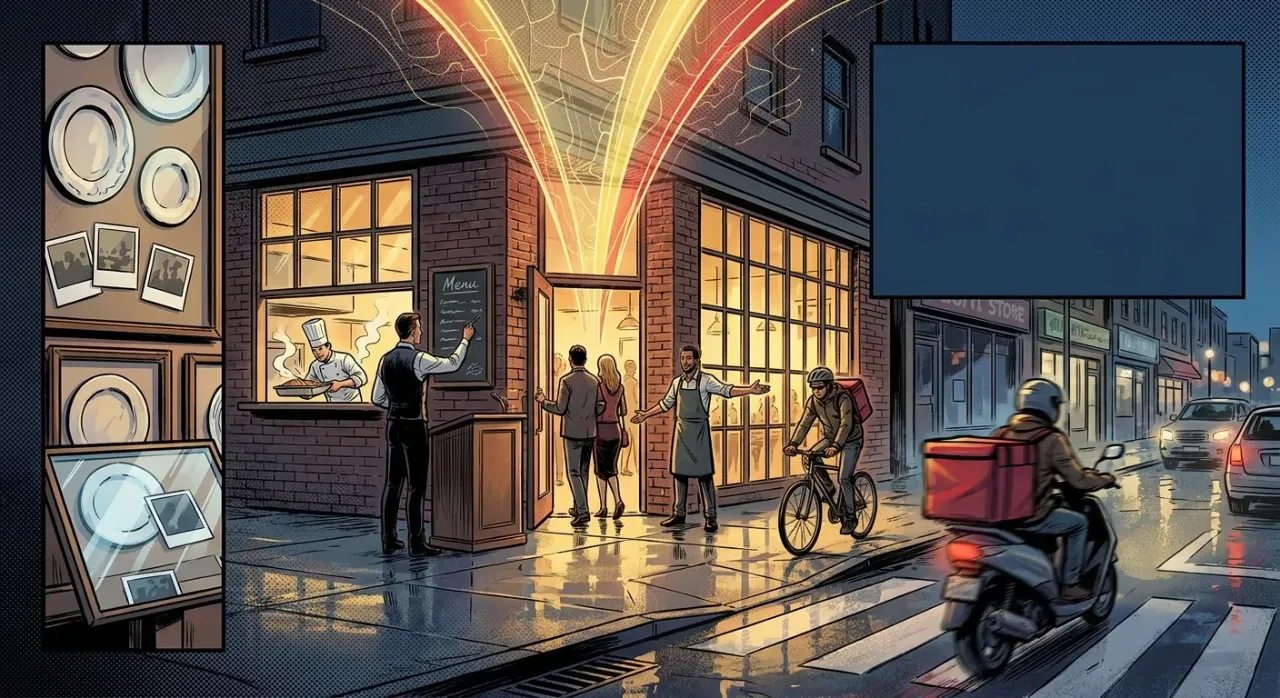
A restaurant can serve memorable food and still lose the dinner decision before a guest ever sees the menu. Diners search nearby, scan photos, compare ratings, check hours, and decide within minutes whether a place feels worth the trip, the order, or the reservation. When a Google listing is incomplete, social posts look inactive, reviews go unanswered, or a mobile site makes ordering difficult, marketing spend can disappear without filling tables. The real challenge is not simply finding someone to run ads or publish posts. It is finding a restaurant marketing agency that understands the link between a neighborhood search, a hungry customer’s confidence, and a measurable sale.
Specialized digital marketing for restaurants is built around decisions that happen quickly and locally. It aligns local SEO, Google Business Profile upkeep, food-focused content, review responses, paid campaigns, and retention messages with practical goals: bookings, online orders, quieter-day traffic, and repeat visits. A broad agency may report reach and impressions while overlooking the menu updates, location signals, offer timing, and guest questions that influence restaurant online visibility. One practical scenario is an owner who hires a general marketing firm, sees weak local results, and switches after discovering that the new team understands menus, neighborhoods, and dining behavior. That gap is why channel activity alone is not a growth plan.
This guide breaks down the nine growth wins a specialized partner can create, from Google Business Profile optimization and local search foundations to social content that makes the dining experience easy to picture. It also shows how restaurant paid advertising should be tied to a clear action, how thoughtful review management can reduce hesitation, and why an easy-to-use website supports both discovery and conversion. When we look at performance, likes and follower counts are only supporting signals; bookings, orders, return visits, review growth, and the cost of acquiring each customer reveal whether a plan is earning its place in the budget, not just whether a campaign produced attention. You will learn what a restaurant marketing agency actually does, which restaurant marketing services deserve attention first, and what questions to ask before handing over your brand, budget, and guest experience. Our focus is practical: connect every channel to the path a diner takes from discovery to decision to return visit. Next, examine the strategies that can replace scattered activity with a restaurant digital marketing plan designed to bring more of the right guests through the door.
Why a Specialized Restaurant Marketing Agency Beats a Generalist
Why restaurants need a specialized marketing agency
Restaurants compete in real time. A lunch special can matter for only a few hours. A patio opening, sold-out event, menu update, or rainy weekend can change demand fast. General agencies may understand branding, but they often miss the timing and local habits that drive restaurant decisions.
A restaurant marketing agency builds digital marketing for restaurants around how guests actually choose where to eat. Diners compare menus, photos, location, hours, convenience, and trust signals before they ever walk through the door. Specialized marketing connects that quick attention to reservations, orders, and repeat visits.
What a restaurant marketing agency actually does
Restaurant marketing services bring local search, content, social media, advertising, reputation, and retention into one connected plan. The goal is not simply to make a restaurant look active online. The goal is to help the right nearby guest find a reason to visit, order, or return.
A full-service partner can coordinate services across the channels that affect restaurant online visibility. A restaurant-focused partner like RockN' Socials can also keep campaigns aligned when menus, promotions, and guest needs change.
Why restaurant-specific expertise matters more than generic marketing
A broad campaign may send traffic to a beautiful website while ignoring an outdated menu, weak map listing, or unanswered guest concern. Restaurant buying decisions are fast, visual, and local. A diner rarely researches for days before choosing dinner.
Specialized restaurant digital marketing strategies focus on the details that remove friction: clear hours, tempting visuals, accurate ordering paths, strong local visibility, and a trustworthy presence. That foundation creates the growth wins that follow.
Growth Win 1: Stronger Local Visibility That Brings in Nearby Diners
How local SEO for restaurants helps people find you first
Local SEO for restaurants helps a business appear when people search for a nearby meal, takeout option, or place to celebrate. It supports the moment when a hungry customer searches by cuisine, neighborhood, or “near me” on a phone.
A strong website SEO plan gives search engines clear details about the restaurant, its menu, service area, and location. For example, 3 local intent pages can separately support dine-in, catering, and private-event searches without confusing the visitor. Local visibility is the starting point for turning searches into guest action.
Google Business Profile for restaurants as a traffic engine
A Google Business Profile for restaurants should work like a live decision page, not a forgotten directory listing. Correct hours, categories, menu links, photos, booking options, ordering options, and location details help diners choose with less hesitation.
Google Business Profile optimization establishes the listing, while Google Business Profile Management keeps it current as operations change. Google Business Profile guidance for restaurants shows that restaurants can manage menus, visual content, ordering, bookings, guest responses, and performance actions from the profile. This official guidance supports treating the listing as a real traffic and conversion channel.
How restaurant online visibility turns searches into visits
Restaurant online visibility matters because a customer cannot visit a place that does not appear trustworthy or easy to reach. Search visibility supports both a guest planning dinner and someone looking for takeout right now.
Google My Business SEO helps connect map discovery with website visits, calls, directions, and menu actions. Once local search creates awareness, social media can make that first visit feel even more appealing.
Growth Win 2: Social Media That Builds Trust Before the First Visit
Restaurant social media management that shows food people crave
Restaurant social media management should make people imagine the taste, energy, and comfort of a visit. A polished dish photo is useful, but the atmosphere matters too. Show the dining room, friendly staff, fresh ingredients, special drinks, and moments that make the restaurant feel distinct.
Social media management keeps the message consistent across platforms, while Instagram management can focus attention on a highly visual audience. Strong content gives a new guest confidence before the first order.
How to use social media to grow a restaurant business
The answer to how to use social media to grow a restaurant business is not posting every dish with the same caption. Content should match what guests need to know now: a new menu item, a weekend event, a kitchen story, or a limited offer.
A 30-day content calendar can give the team a practical rhythm for promoting seasonal moments without scrambling each morning. Consistency also makes the brand more familiar over time, helping past diners remember why they enjoyed the restaurant. Familiarity leads naturally into action-focused content.
Turning followers into bookings and orders
Every post does not need a hard sale, but diners should know what to do next. A simple reservation prompt, order link, event reminder, or call-to-action in a story can move interest closer to revenue.
Google reviews can reduce doubt when they sit beside clear food images and current details. A restaurant marketing agency tracks which content leads to meaningful actions rather than treating follower growth as the only success measure. That same trust is even more important when guests read feedback from others.
Growth Win 3: Online Reviews and Reputation That Reduce Customer Doubt
Online reputation management for restaurants as a growth tool
Online reputation management for restaurants helps shape the decision before a guest arrives. A profile with active responses and current guest feedback can feel more dependable than one where concerns go unanswered.
The reputation management service can support a steady process for monitoring feedback and responding with care. Harvard research on restaurant reviews and revenue connects displayed restaurant ratings with revenue changes for independent restaurants, showing why visible reputation information deserves business attention.
How to manage online reviews for a restaurant
The best answer to how to manage online reviews for a restaurant is prompt, calm, and human. Thank positive guests without using a copied reply. For a concern, acknowledge the experience, avoid arguing, and invite an appropriate next conversation when needed.
A 2-step response process keeps the team focused: confirm what happened, then offer a respectful path forward. Thoughtful handling protects the brand and tells future diners that guest feedback is taken seriously.
Using customer feedback to improve service and sales
Feedback can reveal patterns that marketing alone cannot solve. If several comments point to unclear pickup instructions, slow service, or a mismatch between menu photos and the delivered meal, the operations team has useful information.
Client reviews and direct feedback should inform both service improvements and marketing promises. When the message matches the actual guest experience, word of mouth becomes easier to earn. With trust in place, paid advertising has a better chance to perform.
Growth Win 4: Paid Ads That Drive Real Restaurant Goals
Restaurant paid advertising with clear outcomes
Restaurant paid advertising should have a clear purpose. A campaign may support weekday table traffic, a special event, online ordering, catering interest, or a new location. Clicks are only a first signal, not the finish line.
Meta ads can create visual interest among local audiences, while Google Ads management can reach people who are already searching. The right choice depends on guest intent and the business goal.
Best digital marketing strategies for restaurant growth through ads
The best digital marketing strategies for restaurant growth use Meta when a restaurant needs to create interest through images and offers. Google is often stronger when a guest already wants a nearby option and needs to decide quickly.
Google Local Ads and conversion tracking explains that local campaigns can connect nearby searches to actions such as calls, directions, website visits, and physical visits. That is useful evidence for measuring actions that reflect real restaurant demand.
Why restaurant paid advertising works best with a full funnel
Ads work best when the destination is ready. Sending a local diner to a slow page, outdated menu, or unclear booking process wastes attention that was costly to earn.
The campaign, landing page, menu, and follow-up should all support one action. This full-funnel approach helps a restaurant marketing agency spend more carefully and prepares the business to retain new guests after their first purchase.
Growth Win 5: Retention Marketing That Keeps Guests Coming Back
Customer retention for restaurants after the first visit
Customer retention for restaurants matters because the first visit is only the beginning of the relationship. Regular guests can provide more stable demand through quiet weeks, changing seasons, and new menu launches.
Retention begins with a good experience, then continues with useful reminders. A guest who enjoyed brunch, takeout, or an event may return when the next message is relevant and timely.
Email marketing and offers that stay top of mind
Email can support event announcements, birthday messages, menu launches, and seasonal offers. The best messages are useful and specific, not constant discounts that train guests to wait for a deal.
A 90-day retention review can help a restaurant compare which offers, topics, and guest groups bring people back. This gives the team a way to improve future messages based on actions instead of assumptions.
Turning one-time diners into loyal regulars
Guest groups can be organized by interests, visit type, or order history. Someone who visits for lunch may respond to a weekday reminder, while an event guest may care more about future entertainment or private dining.
Testimonials should support the brand only when they are genuine and used with permission. Retention becomes more effective when the restaurant’s follow-up feels like a helpful invitation rather than a generic blast. Strong creative makes those invitations easier to notice.
Growth Win 6: Content That Makes the Food Feel Irresistible
Food photography that sells the experience
People often decide with their eyes before they decide with their appetite. Clear, appealing food photography makes a menu item easier to understand and makes the restaurant feel more inviting across search, social, and ordering pages.
Research on food photos and restaurant purchase intention indicates that how food appears in review images can shape perceived quality, experience, and purchase intent. Purposeful imagery should show both the finished dish and the care behind it.
Short-form video that captures the dining atmosphere
Short videos can show the sound of a busy dining room, a chef finishing a plate, a drink being poured, or a team preparing for an event. Motion helps diners picture themselves in the space.
Reels, stories, and behind-the-scenes clips work best when they feel natural rather than overly staged. This gives restaurant social media management more material to use across changing menus and promotions.
Content planning for menus, specials, and events
Content planning lets the restaurant prepare for what is coming instead of posting after the moment has passed. A seasonal dish can become a photo, video, menu update, email feature, and ad asset with one coordinated plan.
This approach helps turn daily restaurant activity into useful stories that support reservations, orders, and walk-ins. Once attention reaches the website, the path to action must stay simple.
Growth Win 7: Website Design and SEO That Turn Interest Into Action
Why restaurants should hire a specialized marketing agency for website support
Why restaurants should hire a specialized marketing agency often comes down to conversion details. A restaurant website should not only look good. It should load quickly on mobile, make the menu easy to find, and show guests how to reserve, order, call, or get directions.
Website SEO supports the structure that helps both search engines and diners understand the business. That makes a website a working sales tool, not just a digital brochure.
Pairing website design with local SEO for restaurants
Local signals should stay consistent between the website and business listings. Location pages, menu pages, contact details, and clear service information help guests confirm they are in the right place.
Mobile usability is especially important for people searching while they are already out. Local search can bring the visitor in, but a confusing website can still lose the booking or order.
Simple website features that increase bookings and orders
Clear reservation links, click-to-call buttons, current hours, menus, and map details reduce effort for the guest. Each extra obstacle gives a hungry person a reason to choose another option.
A simple page flow creates a 2-click path from menu discovery to a booking or order action. Better site structure also creates cleaner data for measuring what marketing is truly producing.
Growth Win 8: Tracking ROI So You Know What Actually Works
How a restaurant digital marketing strategy measures success
A restaurant digital marketing strategy should measure business actions, not just likes or impressions. Website visits matter when they lead to calls, menu views, directions, reservations, or online orders.
A public review profile can also show whether guests see an active, responsive business. Reporting should connect marketing activity to the actions that suggest real demand.
The metrics that matter most for restaurant owners
Useful metrics include website traffic, map actions, calls, reservation clicks, online ordering actions, ad conversions, returning visitors, and reputation trends. Each metric answers a different business question.
Cost per useful action is usually more valuable than a large reach number. A campaign that reaches many people but produces no restaurant intent is not helping the owner make a smart budget decision.
Results to Track
Track discovery actions from local search, menu engagement, booking clicks, order activity, and repeat-guest behavior. Compare these signals before and after important changes, such as a promotion, menu update, or new campaign.
Data-informed reporting helps identify where the guest journey breaks down. It also guides the next improvement, whether that means stronger content, clearer offers, better targeting, or a faster booking page.
Growth Win 9: A Strategy Built Around How Restaurants Really Grow
Why a broad marketing approach often fails restaurants
A generalist may build a campaign around broad awareness while overlooking local habits, menu availability, peak service periods, and dining decisions. That disconnect can leave an owner paying for activity that does not bring enough qualified guests.
Case Study Scenario
Consider a hypothetical neighborhood restaurant that hires a broad agency after a slow season. The agency promotes polished brand posts but does not update local listings, highlight the current menu, or direct ads toward nearby diners looking for a place to eat. Interest grows, but local performance remains weak because the guest journey was never connected.
The lesson is not that social posts or ads are bad. The problem is using them without restaurant-specific strategy.
Lessons Learned
A specialized food and beverage marketing agency starts with the full path: how guests discover the restaurant, what builds confidence, what prompts the visit, and what brings them back. SEO, social, paid media, reputation, content, and retention should reinforce each other.
Local answer engine optimization can also help restaurants appear when customers ask direct local questions through local answer engine optimization (AEO). This wider system prevents channels from working in isolation.
How a restaurant marketing agency connects every channel
The answer to how does a restaurant marketing agency boost visibility? It creates a connected system where search listings lead to a useful website, social content supports demand, ads reach the right local audience, and reputation work lowers doubt.
Integrated support through services helps keep every channel aligned with current business priorities. We focus on the guest journey rather than isolated marketing tasks. We also value clear reporting that links activity to restaurant goals.
Choosing the right partner for long-term restaurant growth
Look for industry knowledge, local focus, clear communication, service depth, and reporting tied to meaningful actions. Ask how the agency handles changing menus, slow periods, special events, guest feedback, and local search updates.
We recommend choosing a partner that explains the strategy in plain language. We make the next step simple through book, so restaurant owners can discuss the support that fits their growth goals.
Conclusion
A specialized restaurant marketing agency is valuable because restaurant growth is never just about being seen. It is about being found at the right moment, trusted quickly, and chosen before the competition. The strongest strategies in this article all point to the same idea: restaurants grow faster when marketing is built around real guest behavior, not generic brand awareness.
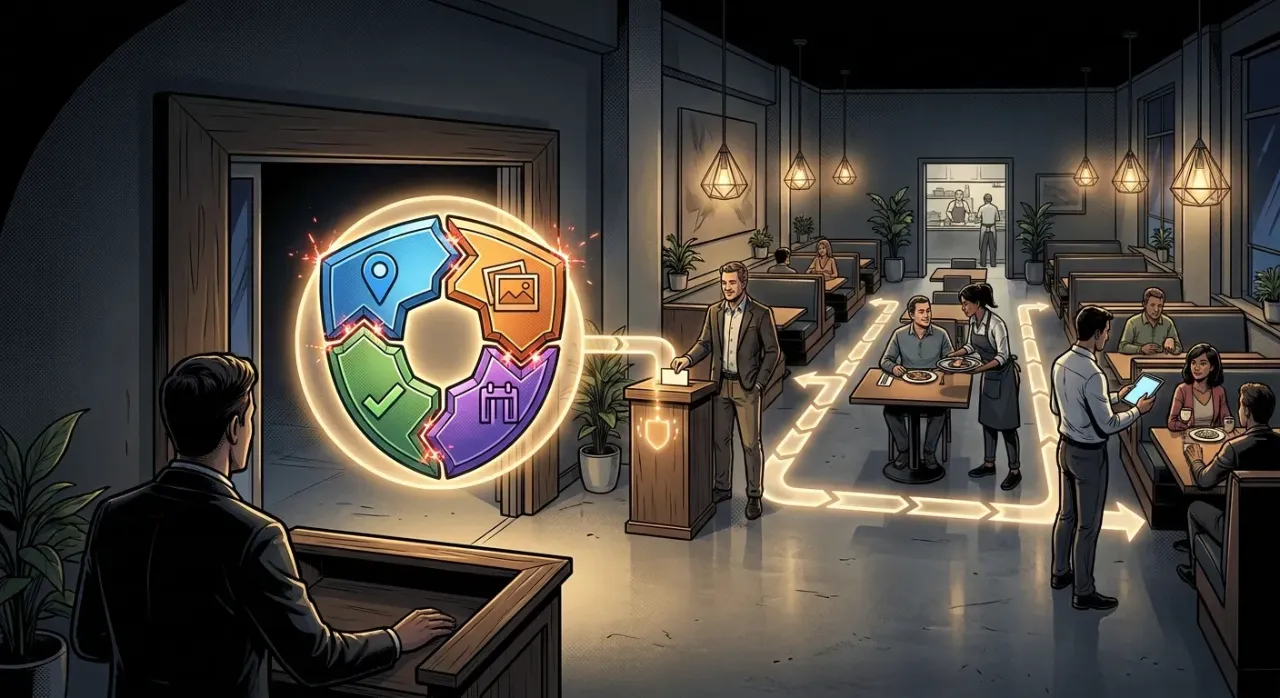
Local search, social media, reputation, paid advertising, retention, content, and website support work best when they are connected. A diner may discover a restaurant through a map search, check the menu on mobile, scan photos on Instagram, read recent feedback, and then decide whether to reserve, order, or walk in. That journey is short, but every step matters. When a restaurant marketing agency understands that path, it can remove friction and turn attention into action.
The article also shows that restaurant marketing is not one channel problem. It is a full system problem. A beautiful ad will not save a slow site. A great menu will not help if the Google Business Profile is outdated. Even strong food photography works better when it is paired with accurate hours, clear calls to action, and a guest experience that matches the promise. That is why restaurant-specific expertise matters more than a broad, one-size-fits-all approach.
Two concrete examples from the article make this especially clear. A 3 local intent pages structure can help separate dine-in, catering, and private-event searches, while a 90-day retention review gives restaurants a practical way to see which messages bring guests back. Those are simple, useful actions, and they show how small strategic choices can improve both visibility and repeat business.
Trust also plays a major role. The article makes it clear that client reviews and guest feedback should guide both service improvements and marketing decisions. Before choosing a partner, restaurants should look for proof of process, consistency, and results, not just polished promises. That is especially important in a market where diners move fast and judge even faster.
My expert takeaway is simple: the best restaurant marketing does not chase vanity metrics. It builds a clear path from discovery to visit to repeat business, with every channel supporting the next.
If you want that kind of connected growth, explore the full range of services and see how a focused approach can support your restaurant’s next stage. For restaurant owners ready to improve visibility, trust, and conversions, the smartest move is to start with the guest journey and build every marketing decision around it.
If you are deciding whether to hire a restaurant marketing agency, the biggest question is not just who can run ads or post on social media. It is who understands how restaurants grow, how diners make decisions, and how to turn online attention into real reservations, orders, and repeat visits. These key takeaways highlight the most important ways a specialized agency can support restaurant growth and why restaurant-specific expertise matters more than a generic marketing approach.
Choose restaurant expertise over generic marketing: Many owners learn the hard way that a generalist agency may miss the pace, seasonality, and customer behavior that shape restaurant sales, so specialized digital marketing for restaurants often fits better.
Use local visibility to win nearby diners: Research suggests that stronger local SEO and a well-managed Google Business Profile can help restaurants show up when people search for places to eat close by.
Turn social media into a trust signal: Restaurant social media management works best when it shows food, atmosphere, and daily specials in a way that makes hungry customers feel ready to visit.
Make reviews part of your growth plan: Data shows that online reputation management for restaurants is not just about damage control, because fast, thoughtful review responses can build confidence before a guest ever walks in.
Run ads with a clear restaurant goal: Restaurant paid advertising should push specific outcomes like more bookings, more takeout orders, or more weekday traffic instead of chasing clicks alone.
Keep customers coming back after the first visit: Survey data suggests email marketing and retention campaigns can help restaurants stay top of mind with regular offers, events, and reminders.
Showcase food with content that sells the experience: A sharp content plan, including food photography and short videos, can make a menu feel more appealing and help people imagine the full dining experience.
Pair website design with local SEO: Industry reports often show that restaurants get more value when their website is easy to use, mobile friendly, and built to support local search visibility.
Track what actually drives revenue: A good restaurant digital marketing strategy measures ROI through bookings, repeat visits, online orders, and review growth, not just likes or impressions.
Avoid the common agency mistake: One practical scenario is a restaurant owner who hires a broad marketing firm first, then switches after seeing weak local results, because the new agency finally understands menus, neighborhoods, and dining behavior.
A strong restaurant marketing agency does more than manage channels. It connects strategy, visibility, and customer loyalty in a way that fits how restaurants really grow. In the sections ahead, you will see which digital strategies matter most, how they support daily sales, and why restaurant-specific expertise can be the difference between wasted spend and steady growth.

Turn Your Restaurant Marketing Into More Guest Actions
If local visibility, content, ads, and retention are not working together, diners may choose another option before they reach your menu. A Restaurant Growth Audit can uncover the gaps holding back reservations, orders, calls, and repeat visits.
We will review the guest journey from local search to booking, ordering, and follow-up, using a proven process and a strategy built around measurable goals.
Find local SEO gaps in your website and Google Business Profile
Identify friction in menu, reservation, and ordering paths
Review social content opportunities tied to current promotions
Spot paid ad improvements for nearby, high-intent diners
Create practical next steps for reputation and guest retention
Do not wait for another slow week to reveal what needs attention. Book your Restaurant Growth Audit today.
[1] Get started with a Business Profile for your restaurant. https://support.google.com/business/answer/14189260?hl=en
[2] About Local Ads. https://support.google.com/google-ads/answer/3246303?hl=en
[3] Reviews, Reputation, and Revenue: The Case of Yelp.com. https://www.hbs.edu/ris/Publication%20Files/12-016_a7e4a5a2-03f9-490d-b093-8f951238dba2.pdf
[4] Process vs. outcome: Effects of food photo types in online restaurant reviews on consumers’ purchase intention. https://openresearch.surrey.ac.uk/esploro/outputs/journalArticle/Process-vs-outcome-Effects-of-food/99635866602346
FAQ'S
Frequently Asked Questions
Quick answers about how we help businesses grow.