
Written by:
Founder & CEO of RockN' Socials
A digital marketing specialist with years of hands-on experience in SEO, website design, paid advertising, lead generation, CRM systems, and marketing automation.
Certified digital marketing professional.
Mastering Shopify SEO Services: Boost Traffic and Sales
Published:
,
Last updated:

Mastering SEO for your Shopify store can be the difference between being buried deep in search results and attracting a steady flow of high-intent customers. With the explosive growth of ecommerce, ensuring your store stands out isn’t just an option—it’s essential. But Shopify SEO services go far beyond plugging in a few keywords or optimizing product descriptions. Instead, they dive deep into creating a site that both search engines understand and users find irresistible.
Imagine your Shopify store as a well-organized digital storefront. Proper collection architecture ensures search engines can efficiently crawl your site, while optimized product pages and strategically managed variants capture long-tail searches with ease. By leveraging technical SEO tailored to Shopify’s unique platform and optimizing themes for maximum performance, you unlock true potential—increased organic traffic, better search rankings, and, ultimately, more conversions.
Whether you’re battling duplicate content issues, struggling with site speed, or trying to make the most of Shopify-native tools, this guide will equip you with advanced strategies to elevate your SEO efforts. Let’s explore how mastering Shopify SEO services can turn your online store into a sales-generating powerhouse.
The Role of Shopify Collection Architecture in SEO
Shopify collection architecture is a foundational component of successful Shopify SEO. By creating a clear, logical structure for your collections, you not only help customers easily navigate your store but also enable search engines to crawl and index your site more efficiently.
Why Collection Architecture Matters
A well-organized Shopify collection architecture ensures that all your products are grouped meaningfully. When search engines like Google detect a structured layout, they can understand the hierarchy of categories and subcategories, boosting your chances of ranking for relevant keywords. For instance, if you own a fashion store, breaking products into collections like "Women’s Dresses," "Men’s Shoes," and "Kids’ Accessories" ensures clarity for both search engines and users.
Poor collection structure often results in duplicated content, low crawl efficiency, or orphaned pages. This can hurt the organic performance of your Shopify store, making it harder to compete in an increasingly crowded e-commerce landscape.
Best Practices for Shopify Collection Page Optimization
Use Relevant Keywords in Collection Titles
Optimize each collection name using relevant keywords. For example, instead of "Summer Essentials," opt for a descriptive title like "Summer Beachwear for Women.” Be sure to integrate these keywords naturally into the meta description and H1 tag.Enhance Collection Page Content
Add 250–300 words of text to each collection page. Include an engaging product overview, unique selling points, and internal links to related collections.Avoid Overlapping or Redundant Collections
Ensure collections are mutually exclusive. For example, avoid creating separate "Running Shoes" and "Athletic Shoes" collections if they overlap significantly.Use Shopify SEO Tools for Optimization Insights
Tools like page analytics or Heatmap tracking in Shopify can reveal how users engage with your store’s collection pages, enabling you to streamline navigation.
A well-executed Shopify collection architecture provides a solid foundation. However, pairing it with strong product page optimization unlocks even higher potential for growth.
Optimizing Shopify Product Pages for Search Engines
Each product page on your Shopify store can act as a mini landing page, attracting organic traffic. Proper Shopify product page SEO ensures that each page communicates value to users while being optimized for search engines.
Shopify Product Page SEO Best Practices
Optimize Product Titles for Search Relevance
A product title like "Men’s Blue Running Sneakers" performs better than a vague title such as "Blue Shoes." Include primary keywords while making the title highly relevant to customer queries.Focus on Unique Product Descriptions
Avoid the trap of copying manufacturer content. Instead, write unique descriptions that highlight features, customer benefits, and use cases. Use user-generated content, like reviews or testimonials, to demonstrate authenticity.Add Alt Text to All Images
Alt tags describing what’s in the image improve accessibility and help search engines understand the visuals. For example, use “Red Women’s Leather Tote Bag - Shiny Finish” rather than “product image.”Implement Relevant Schema Markup
Structured data such as Product Rich Results allows search engines to display prices, reviews, and availability directly in SERPs. Use Shopify’s built-in features or third-party plugins to add this easily.Improve Page Load Speed
Compress product images and use retail-friendly Shopify theme speed optimization techniques to enhance performance. Faster pages reduce bounce rates and keep users engaged.
By focusing on these tactics, each product page becomes an opportunity to capture specific long-tail keyword searches, ultimately boosting conversions.
Addressing Shopify Technical SEO Challenges
Technical SEO issues can hinder your Shopify store’s visibility in search results. Addressing common technical challenges ensures that search engines can properly crawl, index, and understand your content.
Common Shopify Technical SEO Problems
Duplicate Content Issues
Shopify often creates duplicate pages through tag URLs, pagination, and product filtering. This can confuse search engines and reduce your authority. Implement canonical tags to signal the primary page.Slow Loading Pages Due to Heavy Themes
Shopify themes, while visually pleasing, can include bloated code or uncompressed images, impacting speed. Focus on Shopify theme performance by choosing lightweight themes or streamlining existing ones.Poor Internal Linking
Many stores fail to establish strong internal links between collections and products. Effective internal linking improves crawlability and boosts authority between pages.Suboptimal URL Structures
Avoid overly long or complex URLs for products or collections. For example, use "yourstore.com/mens-shoes" instead of "yourstore123.com/product-category-456."Lack of Schema Implementation
Despite Shopify’s built-in ability to generate structured data, many stores fail to customize it effectively. This can lead to missed opportunities for rich results in search.
Resolving Technical SEO Issues
Perform a Technical SEO Audit for Shopify Stores
Conducting a site-wide SEO audit identifies duplicate content, crawl errors, and code bloat efficiently.Optimize Crawl Depth
Limit crawl depth by ensuring no product page is more than 3 clicks away from the homepage. Proper navigation signals authority to search engines.Enhance Mobile Responsiveness
With over 60% of web traffic now coming from mobile, make use of Shopify's responsive design framework to enhance user experience and reduce bounce rates.
Investing in Shopify’s technical SEO builds a seamless foundation for search engine performance, ensuring issues do not impede your growth.
Leveraging Shopify Internal Linking Strategies
Internal linking is an overlooked yet powerful strategy for improving Shopify SEO. Through proper linking practices, you guide users and search engines to high-priority pages, ensuring better visibility.
Key Strategies for Internal Linking
Cross-link Between Collections and Blog Content
If you’ve written a blog on "Best Running Shoes for Beginners,” include links to your "Running Shoes" collection. This not only adds value for the reader but also passes link authority between pages.Use Anchor Text Strategically
Anchor text should contain keywords while providing context about the linked page. For instance, linking “Shop affordable minimalist watches” to a product collection creates higher relevance than generic text like “click here.”Add Related Product Links
On product pages, display related items like "Customers Also Bought" or "Frequently Bought Together.” Shopify’s "Recommended Products" feature can help automate this process.Create a Logical Breadcrumb Navigation
Breadcrumbs make navigation intuitive, showing users where they are while creating structured internal links. For example: Home > Women’s Fashion > Dresses > Maxi Dresses.Periodically Audit Internal Links Using SEO Tools
Broken links or low-quality anchor text can harm SEO. Use Shopify-compatible SEO tools to identify and correct these issues.
A well-implemented internal linking strategy not only improves navigation but also helps distribute authority across your store, driving better rankings for critical pages.
Utilizing Shopify’s Native SEO Tools and Apps
Shopify offers an array of built-in tools and third-party applications to streamline SEO processes for store owners. Harnessing these tools allows you to maximize visibility and rank higher without advanced coding expertise.
Page Title and Meta Description Customization
Shopify natively enables optimization for every collection, product, or blog page. Use highly targeted keywords while keeping meta descriptions under 155 characters.Apps for Advanced SEO
Use apps like Smart SEO or Plug in SEO to automate schema generation, analyze page structure, and batch-edit metadata.Built-in Analytics
Shopify Analytics reveals high-performing keywords, user behavior, and conversion metrics. This helps refine strategies over time.
By combining Shopify’s native features with external apps, you can implement a robust SEO strategy tailored to your needs.
Let’s now delve deeper into advanced structured data and how it further boosts visibility. To be continued...
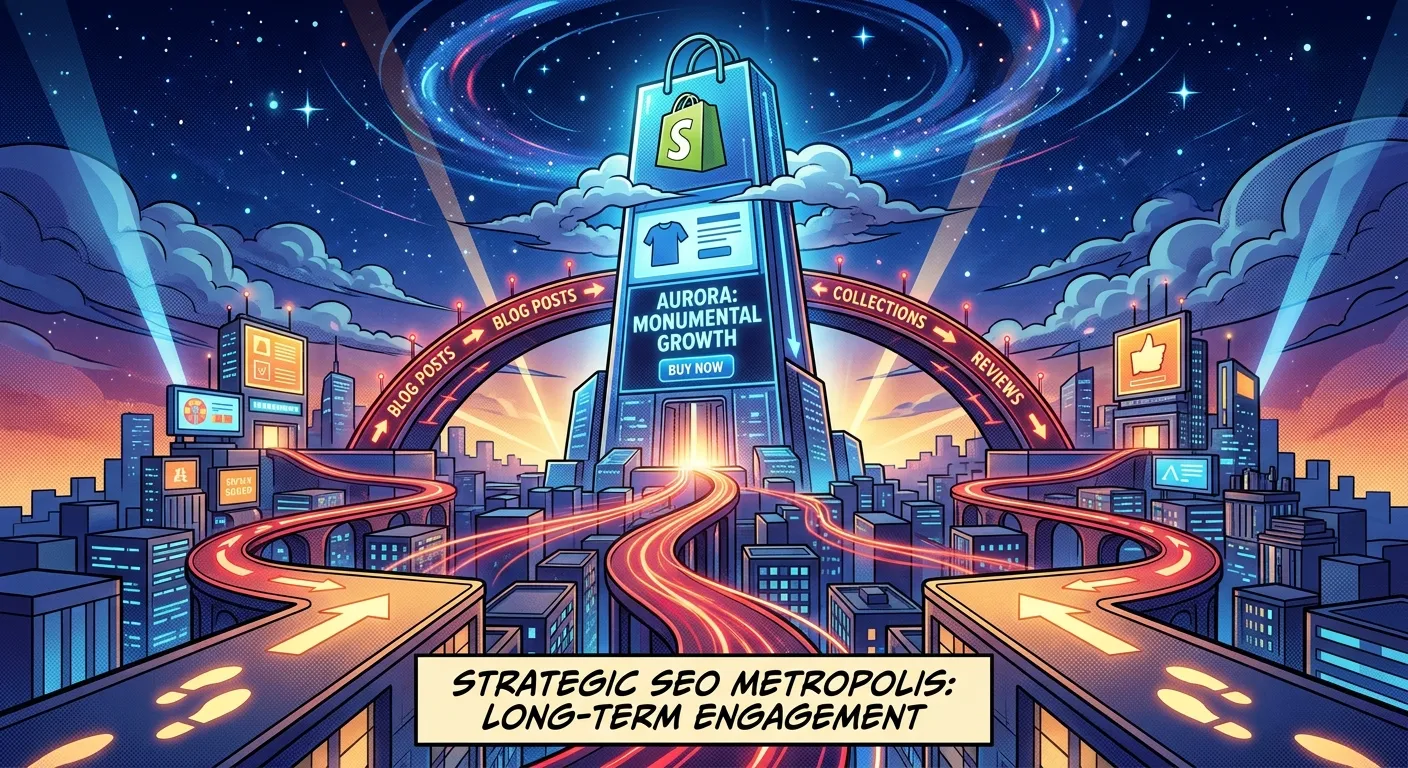
Conclusion
Shopify store owners aiming to improve online visibility cannot overlook the importance of solid SEO practices, starting from foundational strategies to advanced implementation. Throughout this discussion, we've explored how essential aspects of Shopify SEO—such as collection architecture, product page optimization, internal linking, technical improvements, and leveraging native tools—can work together to drive organic traffic and ensure long-term growth.
Key Takeaways for Effective Shopify SEO
Collection Architecture Sets the Foundation
A well-structured collection architecture ensures that your products are logically grouped and easily navigable. This aids both user experience and search engine crawlability, ultimately boosting keyword rankings. Avoid overlapping categories and optimize collection titles and descriptions with relevant keywords to maintain clarity and consistency.Highly Optimized Product Pages Are Non-Negotiable
Ensuring that product pages have descriptive, keyword-rich titles and unique descriptions is vital for ranking on specific search queries. Adding alt text to images, implementing schema markup, and improving page speed further enhance the customer journey while signaling value to search engines.Addressing Technical SEO Challenges Is Critical
Technical issues like duplicate content, poor internal linking, and bloated website themes can significantly hinder growth. By conducting a Technical SEO Audit, Shopify stores can identify and resolve roadblocks. Using canonical tags, improving navigation, and enhancing mobile responsiveness are easy yet impactful fixes.Internal Linking Boosts Page Authority
Internal linking pairs your content intelligently, guiding users and search engines toward important pages. Use tactics like cross-linking between blogs and collections, optimizing anchor text, and implementing breadcrumb navigation. These strategies drive engagement and deliver SEO benefits by distributing page authority effectively.Native SEO Tools and Apps Are Game-Changers
Shopify’s built-in features allow for efficient customization of page titles, meta descriptions, and analytics tracking. Apps like Smart SEO or Plug in SEO simplify advanced setups, such as structured data implementation, making SEO accessible for all store owners without requiring coding experience.
Why These Strategies Matter
Every component of SEO discussed plays a critical role in helping your Shopify store succeed in a competitive e-commerce landscape. By optimizing your collection architecture, product pages, and technical SEO, you create a seamless shopping experience for users while fostering trust with search engines. Enhanced internal linking and proper tool utilization further magnify your visibility across search results, ensuring a steady stream of organic traffic and higher conversions.
Your Next Steps
If you’re ready to elevate your Shopify store’s SEO, prioritizing these strategies is a great place to start. Perform an audit of your site architecture, refine your product descriptions, and invest in tools that automate optimizations while providing actionable insights. Consider working with experts for advanced assistance—explore services like Website SEO Optimization or a Comprehensive SEO Audit to uncover untapped potential. For those building out their internal strategy, the Keyword Analysis Services and Landing Page Optimization Services can provide detailed guidance tailored to your goals.
A Final Word on Investing in SEO
SEO is not a quick fix but an ongoing process that creates long-term value for your Shopify store. The more time and effort devoted to optimizing your site—from collection and product organization to technical improvements and link-building—the stronger your foundation becomes for sustainable growth. With a clear strategy and the right tools, your Shopify store can not only compete but thrive within your niche.
Explore how to execute these strategies in greater depth by browsing our resources, including the Comprehensive Guide to E-commerce SEO. Combine the tips outlined here with expert-supported solutions to maximize your results. Start making your store discoverable today!
Mastering SEO for your Shopify store isn’t just about keywords or meta tags—it’s about building a platform that search engines understand and users love. Below are the key takeaways that highlight advanced Shopify SEO services and strategies to boost your store’s traffic and sales.
Prioritize Shopify Collection Architecture for Visibility: A well-structured collection hierarchy helps search engines understand your store, improving crawl efficiency and rankings for essential category and product pages.
Optimize Shopify Product Pages with Variants in Mind: Properly handle variants (like size or color) to prevent duplicate content and enhance relevance for long-tail searches. Use tools or structured data to ensure unique identifiers for SEO clarity.
Implement Technical SEO Tailored to Shopify: Address platform-specific challenges like managing duplicate URLs, optimizing Liquid templates, and ensuring clean canonical tags to make your store crawl-friendly.
Maximize Shopify Theme Performance for SEO Benefits: Optimize your theme and reduce critical rendering paths to improve site speed and mobile performance, which directly impacts SEO rankings.
Leverage Structured Data to Elevate Shopify Search Results: Use schema markup for rich snippets like reviews, pricing, and availability, giving your product pages an edge in organic visibility.
Build Seamless Internal Linking Across the Store: Create a robust internal linking strategy that connects collection pages, blogs, and product categories, improving crawl depth and spreading link equity effectively.
Conduct Comprehensive Keyword Research for Shopify Pages: Target specific keywords for both collection and product pages, balancing volume with buyer intent to capture organic traffic that converts.
Take Advantage of Shopify SEO Apps and Tools: Use native features like customizable URLs and redirects combined with apps for optimization, analytics, and structured data.
Focus on Conversion Rate Optimization for Organic Traffic: Optimize landing pages with strong CTAs, fast loading times, and mobile-friendly designs to convert SEO traffic into sales.
Shopify SEO success goes beyond surface-level tactics. By addressing catalog structure, technical SEO, and user experience, you can create a store that ranks higher and converts more effectively. Dive into the full article to master these advanced techniques and elevate your Shopify store’s performance.

Unlock Your SEO Potential Today
Ready to take your SEO game to the next level? Whether you're looking to rank higher on Google, drive more organic traffic, or boost your online sales, our SEO Audit Service is the perfect first step. It's designed to identify what's holding your website back and gives you actionable insights to fix it fast.
With our comprehensive SEO audit, you'll:
Discover technical issues that could be hurting your search rankings.
Uncover missed keyword opportunities to bring in more qualified leads.
Get a detailed plan to optimize your content for maximum visibility.
Learn how to improve site speed and UX for better user engagement.
Understand how to monitor and grow with data-driven strategies.
Don't wait—every day you delay is costing your business traffic and leads. Click here to schedule your SEO audit now!
FAQ'S
Frequently Asked Questions
Quick answers about how we help businesses grow.